Friday, August 15, 2025

Can You Use Essential Oils in Candles?


Candles are more than just a source of light — they create an experience. The gentle flicker of the flame, the soft golden glow, and the comforting aroma can instantly transform the atmosphere of a room. In recent years, candle-making has become a beloved DIY craft, with more and more people exploring natural and personalized scents for their creations.

In this blog post, Kanha Nature Oils will guide you through everything you need to know about using essential oils in candles — from understanding how they work, to tips for getting the best scent performance, to ensuring your candles are safe and long-lasting.

In this blog post, we will dive deep into:

  • How essential oils work in candles
  • The benefits of using essential oils
  • The challenges you need to overcome
  • Best practices for blending and usage
  • Safety considerations
  • The best essential oils for candle making
  • Pro tips for getting the best scent throw


What Are Essential Oils?

Essential oils are concentrated plant extracts that capture the natural aroma and properties of the source plant. They are commonly used in aromatherapy, personal care products, and household items due to their pleasant scents and potential therapeutic benefits.

1. Understanding Essential Oils

Before we pour them into melted wax, it’s important to understand what essential oils actually are.

Essential oils are highly concentrated plant extracts, obtained through distillation, cold pressing, or resin tapping. They capture the plant’s natural scent compounds and therapeutic properties. Popular examples include lavender, eucalyptus, peppermint, lemon, and rosemary.

Unlike synthetic fragrance oils — which are designed to withstand high heat and last longer — essential oils are delicate and volatile. This means they can evaporate quickly when exposed to high temperatures, which is exactly what happens when you pour them into hot candle wax.

Key characteristics to remember:

  • Volatile (evaporates quickly)

  • Natural composition

  • Can have therapeutic benefits (aromatherapy)

  • Sensitive to light, heat, and oxygen

2. Can Essential Oils Be Used in Candles?

Yes, you can use essential oils in candles, but they are not a one-to-one replacement for fragrance oils. Here’s why:

  • Heat sensitivity: Essential oils can lose their aroma if added when the wax is too hot.

  • Weaker scent throw: Most essential oils don’t produce as strong or long-lasting a scent as synthetic fragrance oils when burned.

  • Cost: Pure essential oils are expensive, and achieving a noticeable fragrance in a candle may require more oil.

That said, many people still choose essential oils because:

  • They want natural, chemical-free candles

  • They prefer aromatherapy benefits

  • They enjoy DIY experimentation


3. Benefits of Using Essential Oils in Candles

A. Natural Aromatherapy

Essential oils aren’t just about scent — they can affect your mood and well-being. For example:

  • Lavender: Calming, aids sleep

  • Peppermint: Energizing, improves focus

  • Lemon: Refreshing, uplifting

  • Eucalyptus: Clears sinuses, promotes relaxation

B. Avoiding Synthetic Chemicals

Fragrance oils may contain synthetic compounds, which some people prefer to avoid. Essential oils provide a cleaner, plant-based alternative.

C. Customization

You can blend oils to create unique, personal scents that match your mood or season — something store-bought candles can’t always offer.

D. Connection to Nature

The process of blending and burning essential oils can feel grounding and intentional, connecting you to the plants’ origins.


4. Challenges of Using Essential Oils in Candles

A. Scent Throw Limitations

In candle making, “scent throw” refers to how far the aroma spreads. Essential oils generally have a weaker hot throw (scent when the candle is burning) compared to fragrance oils.

B. Heat Damage

Essential oils can burn off or lose potency when exposed to high temperatures — especially if added too early in the process.

C. Cost and Availability

High-quality oils can be pricey, and you may need significant amounts for noticeable scent.

D. Safety Concerns

Some essential oils are flammable or irritating in high concentrations. Not every oil is candle-safe.

Considerations When Using Essential Oils in Candles

  1. Flash Point: Essential oils have different flash points, which is the temperature at which they can ignite. Ensure you add essential oils below their flash point to avoid combustion.
  2. Scent Throw: Essential oils may not provide as strong a scent throw as synthetic fragrances. You might need to experiment with the amount of essential oil you use to achieve the desired scent strength.
  3. Compatibility with Wax: Not all essential oils mix well with all types of wax. Soy wax, for example, tends to hold essential oils better than paraffin wax.


Tips for Using Essential Oils in Candle Making

  1. Choose Quality Oils: Opt for high-quality, pure essential oils to ensure the best scent and performance.

  1. Start Small: When experimenting with essential oils, start with small batches to test scent combinations and strength.

  1. Blend Wisely: Combine different essential oils to create complex scents. For example, mixing citrus oils with floral oils can yield refreshing and uplifting aromas.

  1. Test Burn: Always conduct a test burn to see how the candle performs and how the scent develops when lit.

  1. Label Your Creations: If you’re making candles as gifts or for sale, label them with the essential oils used and any safety information.


Conclusion


Using essential oils in candles can enhance your candle-making experience, providing natural fragrances and potential aromatherapy benefits. With careful consideration and experimentation, you can create beautiful, fragrant candles that not only smell great but also contribute to a calming atmosphere in your home. Whether you’re a seasoned candle maker or just starting, incorporating essential oils is definitely worth exploring!


Using essential oils in candles can improve your candle making experience, read our list of where to buy essential oils.

 contact us: 

Mobile Number: 9810805866

Tuesday, August 12, 2025


What Are Pranarom Essential Oils?


Pranarom is a well-known brand specializing in high-quality essential oils and aromatherapy products. Founded in Belgium, Pranarom emphasizes the therapeutic properties of essential oils and offers a wide range of products derived from plants. Their essential oils are often used in aromatherapy, personal care, and natural remedies.


Key Features of Pranarom Essential Oils

  1. Quality and Purity: Pranarom focuses on sourcing pure, high-quality essential oils. They often conduct rigorous testing to ensure the oils are free from contaminants and additives.
  2. Therapeutic Grade: Pranarom essential oils are typically classified as therapeutic grade, meaning they are intended for use in health and wellness applications.
  3. Sustainable Sourcing: The brand emphasizes sustainability and ethical sourcing practices, ensuring that their oils are derived from plants cultivated in a responsible manner.
  4. Diverse Range: Pranarom offers a wide variety of essential oils, blends, and synergies tailored for different uses, such as relaxation, respiratory support, and immune system enhancement.


Differences Between Essential Oils and Pranarom Essential Oils

While “essential oils” refers to a broad category of concentrated plant extracts, Pranarom essential oils are a specific brand within that category. Here are some key differences:

1. Brand Reputation and Standards

  • Essential Oils: The quality can vary significantly between brands and products. Not all essential oils are created equal, and some may contain fillers or synthetic ingredients.
  • Pranarom Essential Oils: Known for their high standards, Pranarom ensures their oils are pure and of therapeutic quality.

2. Sourcing and Production

  • Essential Oils: Sourcing practices can differ widely among manufacturers. Some may not prioritize sustainability or ethical sourcing.
  • Pranarom Essential Oils: Pranarom emphasizes sustainable and ethical practices in sourcing their ingredients, contributing to environmental conservation.

3. Therapeutic Use

  • Essential Oils: While many essential oils can be used for therapeutic purposes, the effectiveness can vary based on quality and purity.
  • Pranarom Essential Oils: Specifically formulated for therapeutic applications, their oils are often backed by research and intended for health-related uses.

4. Product Range

  • Essential Oils: The market has a vast array of brands and products, with varying levels of quality and intended use.
  • Pranarom Essential Oils: Offers a curated selection of oils and blends, often with specific health benefits in mind, making them a go-to choice for those seeking therapeutic solutions.

Conclusion

Pranarom essential oils stand out in the crowded essential oil market due to their commitment to quality, sustainability, and therapeutic efficacy. While essential oils as a whole can vary widely in quality and application, Pranarom provides a reliable option for those interested in using essential oils for health and wellness.


For more information contact: 

Mobile Number: 9810805866

Website - kanhanatureoils.com/

Monday, August 11, 2025

Essential Oil Plants: The Ultimate Guide To Top 10 Health Boosters


Essential oils have long been cherished for their incredible health benefits, offering natural remedies for physical, emotional, and mental well-being. But where do these powerful oils come from? They are derived from essential oil plants—nature’s treasure trove of therapeutic compounds.

In this guide, Kanha Nature Oils will tell you what essential oil plants are, explore the countless health benefits of essential oils, and highlight the top 10 plants known for their extraordinary properties. Plus, we'll discuss the important role essential oil manufacturers and fragrance oil manufacturers play in bringing these natural wonders to consumers.

What Are Essential Oil Plants?

Essential oil plants are those that produce aromatic compounds stored in various parts such as flowers, leaves, bark, stems, or roots. These compounds are extracted using methods like steam distillation, cold pressing, or solvent extraction to create concentrated oils that capture the essence and therapeutic properties of the plant.

Essential oils have been used for centuries in traditional medicine, aromatherapy, and beauty products. Today, essential oils manufacturers harness these natural extracts to create high-quality oils for diverse applications, ensuring purity and effectiveness.

Health Benefits of Essential Oils

Essential oils derived from plants offer a variety of health and wellness benefits, including:

  1. Stress Relief: Oils like lavender and chamomile have calming effects that reduce stress and anxiety.

  1. Improved Sleep: Certain oils help regulate sleep patterns by promoting relaxation.

  1. Enhanced Immunity: Oils such as tea tree and eucalyptus have antibacterial and antiviral properties.

  1. Skin Health: Essential oils can improve skin texture, reduce acne, and combat aging.

  1. Pain Relief: Peppermint and eucalyptus oils are effective for soothing muscle aches and headaches.

  1. Respiratory Support: Oils like eucalyptus and rosemary aid in clearing nasal congestion and improving breathing.

  1. Mood Enhancement: Citrus oils like lemon and orange uplift mood and boost energy levels.

Fragrance oil manufacturers often blend essential oils with other natural or synthetic compounds to create pleasing aromas for perfumes, candles, and diffusers. While these blends may not offer the full therapeutic benefits of pure essential oils, they add a delightful sensory experience to daily life.

10 Best Essential Oil Plants for Health and Harmony

  1. Lavender
    Lavender oil is known for its calming and relaxing properties, lavender is ideal for stress relief and improving sleep quality.

  1. Peppermint
    Peppermint oil, This refreshing plant offers a cooling effect, alleviates headaches, and supports digestion, alleviates headaches, and supports digestion.

  1. Eucalyptus
    A powerful decongestant, eucalyptus oil promotes respiratory health and soothes inflammation.

  1. Tea Tree
    Tea tree oil is a natural antibacterial and antifungal agent, perfect for skin care and immune support.

  1. Lemon
    With its uplifting aroma, lemon oil detoxifies the body and boosts mood and focus.

  1. Rosemary
    Rosemary oil is known for enhancing memory and concentration, rosemary also supports healthy circulation.

  1. Chamomile
    Chamomile oil, This soothing plant reduces anxiety, promotes restful sleep, and alleviates skin irritation.

  1. Frankincense
  2. A spiritual and healing oil, frankincense oil reduces stress, enhances immunity, and improves skin tone.

  1. Ylang-Ylang
  2. Famous for its floral fragrance, Ylang Ylang oil balances emotions and promotes relaxation.

  1. Basil
    Basil essential oil is an excellent choice for mental clarity, respiratory health, and relieving fatigue.


Conclusion

Essential oil plants are a testament to nature’s ability to heal and rejuvenate. Whether used in pure form or as part of a blend created by fragrance oil manufacturers, these oils can enhance your physical, mental, and emotional well-being.

Thanks to the expertise of essential oils manufacturers, these natural remedies are readily available, making it easier than ever to incorporate them into your daily routine. Explore the power of these top 10 essential oil plants and experience the harmony they bring to your life!

KANHA NATURE OILS. Contact us at 👉 info@aromatherapyoil.in

Mob no. 9810805866


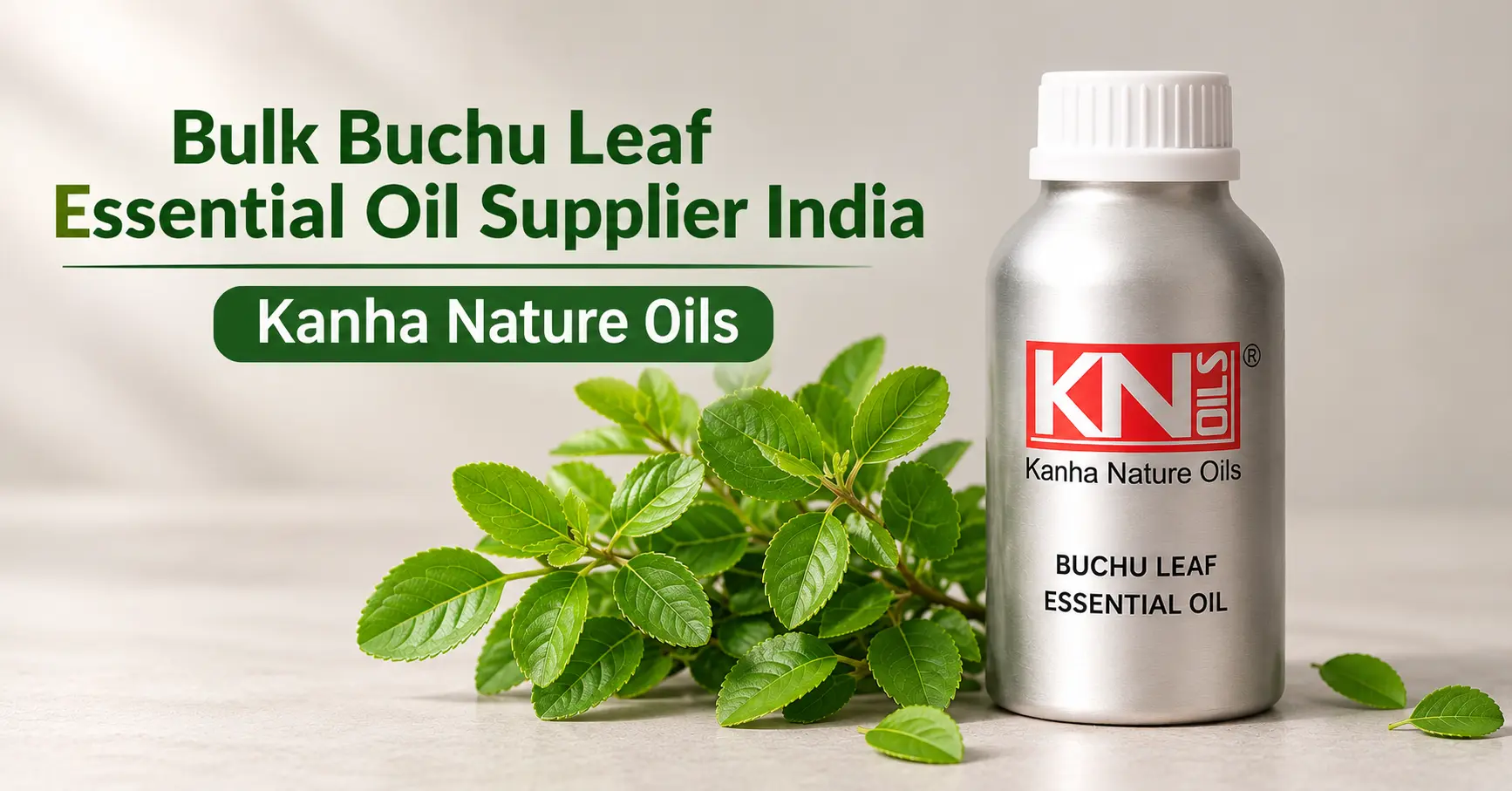
Bulk Buchu Leaf Essential Oil Supplier India | Kanha Nature Oils

Bulk Buchu Leaf Essential Oil from India: Specifications, Pack Sizes and How to Order If you are sourcing bulk buchu leaf essential oil fr...