Tuesday, September 16, 2025

Benefits of Lavender Essential Oil for Hair Growth and Scalp Health


Essential oils have been valued for their medicinal and aesthetic qualities for centuries. Lavender essential oil is one of the most useful and adaptable of them all. This oil, which is extracted from the flowers of the Lavandula angustifolia plant, is well-known for its relaxing scent and calming effects on the body and mind. However, lavender essential oil has drawn a lot of interest in the field of natural hair care, in addition to relaxation and aromatherapy.

From promoting hair growth to improving scalp health, lavender essential oil has become a natural alternative to chemical-based products that often cause side effects. Backed by traditional practices and growing scientific evidence, it is now considered one of the best natural remedies for people struggling with hair loss, thinning hair, dandruff, and other scalp conditions.

This blog post Kanha Nature Oils will examine in detail the advantages of lavender essential oil for healthy hair and scalp, as well as its scientific support, application techniques, and the reasons it has become a crucial component of natural hair care regimens.


Lavender Oil Stimulates Hair Growth

Lavender Oil Stimulates Hair Growth

One of the most widely discussed benefits of lavender essential oil is its ability to stimulate hair growth. Studies have shown that lavender oil can help improve blood circulation in the scalp, ensuring that hair follicles receive adequate oxygen and nutrients. This leads to stronger and healthier hair growth.

A 2016 study published in Toxicological Research found that lavender oil applied to mice significantly increased the number of hair follicles and thickened the dermal layer, suggesting its potential as a natural hair-growth treatment. This makes it especially beneficial for individuals dealing with conditions like alopecia or thinning hair caused by stress and poor scalp health.

Regular massage of diluted lavender oil into the scalp can encourage faster and thicker hair regrowth, making it a natural alternative to chemical-based hair growth serums.


Strengthens Hair Follicles
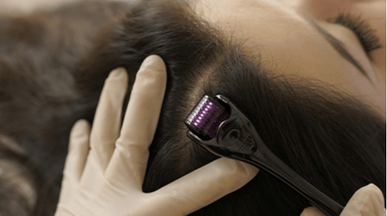
Strengthens Hair Follicles

Weak hair follicles often result in hair breakage, thinning, and slow growth. Lavender oil contains antioxidant and antimicrobial properties that protect hair follicles from damage caused by free radicals and environmental stressors such as pollution and UV rays.

By nourishing the hair shaft and strengthening roots, lavender oil helps maintain the integrity of hair strands, preventing split ends and brittle hair. Stronger follicles mean less shedding and more resilient hair growth over time.


Improves Scalp Circulation

Healthy hair growth starts with a healthy scalp. Lavender oil is known for its ability to improve blood circulation in the scalp, which is crucial for delivering essential nutrients to the hair follicles.

When the scalp receives adequate circulation, hair roots are better nourished, resulting in stronger and faster-growing hair. Massaging lavender oil mixed with a carrier oil (such as coconut oil, jojoba oil, or castor oil) can significantly improve circulation while also providing relaxation and stress relief.


Reduces Hair Loss and Thinning


Hair loss can be triggered by various factors, including genetics, hormonal imbalances, stress, and poor scalp health. Lavender essential oil helps reduce hair loss by strengthening the roots, soothing the scalp, and balancing oil production.

Its calming properties also reduce stress—a major contributor to hair loss. By promoting relaxation and improving sleep quality, lavender oil indirectly supports healthier hair growth.

For people experiencing thinning hair or hair fall due to stress, regular scalp massages with lavender oil can provide both physical and emotional benefits.


Fights Dandruff and Dry Scalp
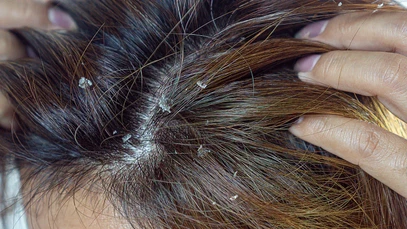
Fights Dandruff and Dry Scalp

Dandruff, flakiness, and dry scalp can damage hair follicles, slow down growth, and lead to itching or irritation. Lavender essential oil has strong antifungal and antimicrobial properties that help combat dandruff-causing yeast and bacteria.

When applied to the scalp, it helps moisturize dry patches, soothe irritation, and balance natural oils. This creates a healthier scalp environment, reducing dandruff buildup and preventing infections.

For individuals dealing with persistent scalp issues like dryness, itchiness, or mild fungal infections, lavender oil can be a natural solution to restore scalp balance.


Controls Excess Oil Production

Controls Excess Oil Production

An oily scalp can clog hair follicles, leading to dandruff, irritation, and even hair thinning. Lavender essential oil has balancing properties that regulate sebum (natural oil) production in the scalp.

By keeping oil levels under control, lavender oil helps prevent greasy buildup while still ensuring the scalp remains hydrated. This makes it particularly useful for people with oily scalp conditions or those struggling to find a balance between dryness and excess sebum.


Prevents and Treats Scalp Infections
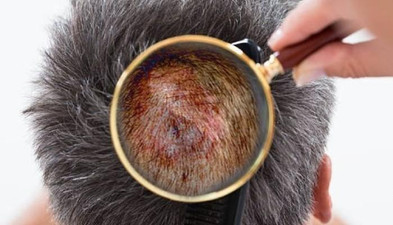
Prevents and Treats Scalp Infections

The antimicrobial properties of lavender oil make it a powerful natural remedy against scalp infections. Conditions like folliculitis (inflammation of hair follicles), minor fungal infections, and bacterial overgrowth can disrupt healthy hair growth.

By applying diluted lavender oil, the scalp remains protected from harmful microbes, ensuring an infection-free environment where hair can thrive. Its soothing qualities also reduce redness, itching, and irritation commonly associated with scalp conditions.


Improves Hair Texture and Shine
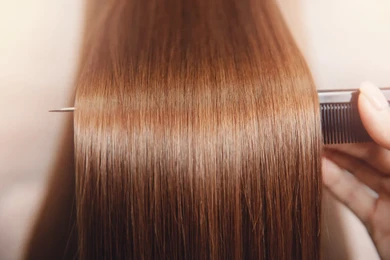
Improves Hair Texture and Shine

 Beyond scalp health, lavender oil also benefits the hair itself. Regular use helps condition and soften the strands, reducing frizz and enhancing natural shine. It smooths the hair cuticle, making hair more manageable and less prone to tangling or breakage.

For those who use heat styling tools or chemical treatments, lavender oil can provide natural repair and nourishment, restoring hair’s vitality and smoothness.


Natural Lice Treatment
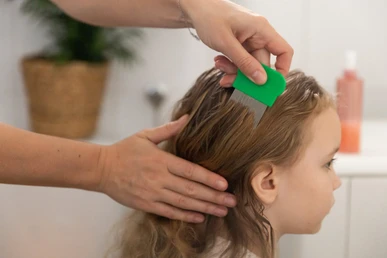
Natural Lice Treatment

Lavender essential oil has also been found effective in preventing and reducing head lice infestations. Studies suggest that lavender oil, when combined with other essential oils like tea tree oil, can kill lice and prevent their eggs from hatching.

This makes it a safer alternative to chemical-based lice treatments, which can often damage hair or irritate the scalp.


How to Use Lavender Essential Oil for Hair Growth and Scalp Health

While lavender oil is highly beneficial, it is important to use it correctly. Direct application of undiluted essential oil can cause skin irritation. Instead, it should always be diluted with a carrier oil or used in hair care formulations.

1. Scalp Massage Oil

  • Mix 4–5 drops of lavender essential oil with 2 tablespoons of carrier oil (like coconut, jojoba, or argan oil).

  • Massage into the scalp for 5–10 minutes.

  • Leave it on for at least 30 minutes or overnight before washing with a mild shampoo.

2. Lavender Oil Hair Mask

  • Combine lavender oil with aloe vera gel, honey, or yogurt.

  • Apply as a nourishing mask once a week for deep hydration and scalp health.

3. Add to Shampoo or Conditioner

  • Add a few drops of lavender essential oil to your regular shampoo or conditioner.

  • Use regularly for added scalp protection and improved hair growth.

4. Lavender Hair Mist

  • Mix lavender oil with water and a few drops of rosewater in a spray bottle.

  • Spray onto hair and scalp as a refreshing mist to control frizz and maintain scalp balance.


Safety Precautions

  • Always dilute lavender oil before applying it to the scalp.

  • Perform a patch test to ensure there is no allergic reaction.

  • Avoid using excessive amounts, as essential oils are highly concentrated.

  • Pregnant and breastfeeding women should consult a doctor before use.

  • Keep away from eyes and sensitive areas.


Scientific Backing and Research

  • Hair Growth: A 2016 animal study demonstrated that lavender oil increased the number of hair follicles and improved hair thickness.

  • Antimicrobial Benefits: Research shows lavender oil’s strong antifungal and antibacterial properties make it effective against scalp infections.

  • Stress Reduction: Numerous studies confirm lavender oil’s ability to reduce anxiety and stress, which indirectly supports hair growth by lowering cortisol levels.

Though more human clinical trials are needed, the existing evidence strongly supports lavender oil’s role in promoting scalp health and hair growth.


Conclusion

Lavender essential oil is more than just a fragrant oil—it is a natural powerhouse for hair growth and scalp health. Its ability to stimulate hair follicles, reduce hair loss, fight dandruff, and soothe scalp conditions makes it one of the most effective natural remedies available today.

Whether you are struggling with thinning hair or dandruff or simply want to improve your hair’s texture and shine, lavender oil can be a safe, versatile, and holistic solution.

To fully utilize this age-old treatment, incorporate it into your regular hair care regimen through shampoos, masks, or massages. Lavender essential oil can help you attain a more balanced lifestyle, a calmer mind, and healthier hair with regular use.


Buy Lavender Essential Oil for Hair Growth and Scalp Health in bulk from Kanha Nature Oils,

Click Here:-     ðŸ‘‰ https://kanhanatureoils.com/?s=lavender+oil&post_type=product&dgwt_wcas=1


Kanha Nature Oils

For more information contact: info@aromatherapyoil.in

Mobile Number: 9810805866 

Friday, September 12, 2025

Can we avoid essential oils when pregnant? A guide women


Can we avoid essential oils when pregnant? Pregnancy is one of the most transformative journeys in a woman’s life. The joy of nurturing a new life often comes with a series of lifestyle adjustments, as mothers-to-be must carefully consider the safety of everything they consume, apply, or even inhale. Essential oils, long admired for their therapeutic, aromatic, and cosmetic benefits, are one such category of natural products that raise important questions during pregnancy.

While some women turn to essential oils for relaxation, relief from common pregnancy discomforts, or skin care, others worry about their safety due to their potency. This raises the question: Can we avoid essential oils when pregnant—or are there safe ways to enjoy them?

This guide aims to provide a balanced, evidence-based perspective to help women make informed choices about essential oil use during pregnancy.


Understanding Essential Oils

Essential oils are concentrated plant extracts obtained through distillation or cold pressing. They contain volatile aromatic compounds that can affect both the mind and body. From lavender’s calming influence to peppermint’s cooling relief, these oils are valued for aromatherapy, massage, skin care, and even household use.

However, their potency is a double-edged sword. What makes them powerful for therapeutic benefits also makes them risky if misused—especially during pregnancy, when a woman’s body undergoes significant physiological and hormonal changes.


Why Essential Oils Raise Concerns in Pregnancy

There are several reasons essential oils must be used cautiously—or in some cases avoided—during pregnancy:

  1. High Potency – Even a single drop of essential oil contains the equivalent of several cups of plant material. This concentration can overstimulate the body.

  2. Skin Absorption – Essential oils penetrate the skin and enter the bloodstream, potentially reaching the fetus.

  3. Uterine Stimulation – Certain oils can cause uterine contractions, increasing the risk of miscarriage or preterm labor.

  4. Hormonal Effects – Some oils mimic estrogen or influence hormone activity, which could interfere with pregnancy stability.

  5. Nausea & Sensitivity – Pregnancy heightens sensitivity to smells, and some strong aromas may cause nausea, dizziness, or headaches.

Because of these concerns, many midwives, doctors, and aromatherapists advise either complete avoidance or very careful use of essential oils during pregnancy.

Essential Oils to Avoid During Pregnancy

Many oils are contraindicated during pregnancy because they may stimulate uterine contractions, affect hormones, or pose toxic risks. Women should strictly avoid the following oils throughout pregnancy:


Safe Ways to Use Essential Oils During Pregnancy

When used safely, essential oils can be comforting and supportive. Here are recommended methods:

1. Diffusion

Add 2–3 drops of a safe oil to a diffuser for short periods (15–30 minutes). This method provides gentle aromatic benefits without direct skin contact.

2. Topical Application (Diluted)

If applied on the skin, essential oils should always be diluted in a carrier oil (like coconut, jojoba, or almond oil).

  • Safe dilution: 1% (about 1 drop of essential oil per teaspoon of carrier oil).

  • Apply to pulse points, temples, or back of the neck for calming benefits.

3. Massage

Prenatal massage with diluted safe oils can ease muscle tension, reduce swelling, and promote relaxation. Always consult a trained prenatal massage therapist.

4. Baths (Indirect Method)

Add diluted essential oils to bath salts or a tablespoon of carrier oil before mixing into warm water. Never drop oils directly into the bath.

5. Inhalation

For nausea or morning sickness, add a drop of ginger or lemon oil to a cotton ball and inhale gently.

General Safety Guidelines

To minimize risk, pregnant women should follow these essential safety tips:

  1. Avoid during the first trimester – This is when the fetus is most vulnerable to toxins and developmental disruptions.

  2. Consult your healthcare provider – Especially if you have a high-risk pregnancy or pre-existing conditions.

  3. Patch test before skin use – Pregnancy can make skin more sensitive.

  4. Use only high-quality, pure essential oils – Avoid adulterated or synthetic oils.

  5. Limit duration and frequency – Short sessions are safer than prolonged exposure.

  6. Never ingest essential oils – Oral use is unsafe and not recommended during pregnancy.

  7. Store oils away from children – Accidental ingestion can be dangerous.


Expert Opinions on Essential Oils in Pregnancy

Medical professionals and aromatherapists hold varying opinions on the subject. Some recommend total avoidance during pregnancy, while others approve safe oils in moderation.

  • Aromatherapy Experts often advocate that certain essential oils, when properly diluted, can be safely used.

  • Obstetricians & Midwives typically advise extreme caution, preferring women minimize exposure unless supervised.

  • Holistic Practitioners may integrate safe oils for emotional well-being, nausea relief, or labor preparation (in late stages).

The consensus is: Knowledge, caution, and moderation are key.

Conclusion

Pregnancy is a sacred time, and every choice a mother makes impacts not only her own body but also her growing baby. Essential oils, while natural, are highly potent and should never be underestimated.

To answer the question—Can we avoid essential oils when pregnant?—the wisest approach is not outright avoidance of all oils but selective, informed, and minimal use of safe options after the first trimester. For women who feel uncertain, complete avoidance and reliance on other natural remedies is always the safest choice.

Ultimately, every pregnancy is unique. Consulting with a healthcare provider before using essential oils ensures both mother and baby remain safe. Remember: nature provides many ways to nurture and heal—essential oils are just one of them, and they can wait until after your baby is safely in your arms.

For more information, contact us. We are a natural essential oil manufacturer,  Click Here:-   Kanha Nature Oil


Kanha Nature Oils

For more information contact: info@aromatherapyoil.in

Mobile Number: 9810805866

Top 7 Carrier Oils Proven to Boost Hair Growth Naturally


Thick, shiny, and healthy hair has always been considered a sign of beauty and vitality across cultures. Unfortunately, in today’s world, hair loss, thinning, and scalp issues have become increasingly common due to stress, pollution, chemical-based hair products, and nutritional deficiencies. While there are countless products on the market promising quick fixes, many people are turning back to nature for safe, effective, and sustainable hair care solutions. One of the most trusted natural remedies includes using Top 7 Carrier Oils Proven to Boost Hair Growth, as they not only nourish the scalp but also strengthen hair follicles, improve circulation, and restore overall hair health.

Carrier oils, often derived from seeds, nuts, and kernels, have gained immense popularity for their ability to nourish the scalp, strengthen hair follicles, and promote hair growth naturally. Unlike essential oils, which are highly concentrated, carrier oils are mild and safe to use directly on the scalp or when blended with other oils. They are packed with vitamins, fatty acids, and antioxidants that repair damage, improve circulation, and create the perfect environment for healthy hair growth.

In this blog, Kanha Nature Oils we’ll explore the top 7 carrier oils proven to boost hair growth naturally, their unique benefits, and how you can use them effectively in your hair care routine.

The top 7 carrier oils proven to boost hair growth naturally

There are many carrier oils that are known to be the best carrier oil for hair growth. But remember that everyone’s experience can be different. Think about your hair type and any allergies you have when picking an oil for hair growth. Daily use of that is the best thing for hair growth. Here are a few list of carrier oils:

Here are some oils that can be good for best hair regrowth for men and women:

  1. Coconut Oil: People like using coconut oil for hair because it can get into your hair and stop it from losing important stuff. It’s got good things called fatty acids that can make your hair strong and healthy. But be careful, because if you don’t wash it out well, it might feel heavy and sticky.
  2. Castor Oil: Some folks suggest castor oil for hair growth because it has something called ricinoleic acid. This acid might help your hair grow by sending more blood to your scalp and giving it important stuff. Castor oil is thick and sticky, so people mix it with other oils or lighter stuff.
  3. Jojoba Oil: Jojoba oil is like the oils your scalp makes. It can help keep the right amount of oil on your head, moisturize your scalp, and make your hair grow better. It also stops your scalp from being too red and irritated.
  4. Argan Oil: Argan oil has lots of good things like vitamin E and fatty stuff. This can make your hair feel better, strong, and maybe stop it from breaking too much. It’s also good for dry and damaged hair.
  5. Rosemary Oil: Sometimes people add rosemary oil to other oils like jojoba or coconut oil. This can help your hair grow by making your scalp better and your hair places wake up.
  6. Olive Oil: Olive oil is like a friend to your hair. It can give your hair important stuff and make it strong. If your hair is dry or damaged, olive oil can help.
  7. Sweet Almond Oil: Sweet almond oil is full of good stuff like vitamin E. It’s light, so it won’t make your hair heavy. It can make your hair feel nice and soft.

For more information, contact us. We are a natural carrier oil manufacturer based in India. We can provide you with the best hair oils for hair growth.


Tips for Using Carrier Oils for Hair Growth

  1. Consistency is key: Regular application (2–3 times a week) yields the best results.

  2. Massage for circulation: Always massage oils into the scalp to stimulate blood flow.

  3. Combine with essential oils: Pair with oils like rosemary, peppermint, or lavender for enhanced benefits.

  4. Patch test first: To avoid allergic reactions, always test on a small area before applying.

  5. Healthy lifestyle: Oils work best when combined with a balanced diet, hydration, and stress management.

Conclusion

Nature has gifted us with powerful carrier oils that can transform hair care routines. Whether you struggle with thinning hair, dryness, or slow growth, oils like coconut, castor, jojoba, argan, olive, grapeseed, and almond can restore health and vitality to your hair naturally. By incorporating these oils into your regular hair care regimen, you not only stimulate growth but also nurture your scalp and strands with essential nutrients.

Remember, patience and consistency are vital—natural remedies may not give overnight results, but with time, you’ll notice stronger, healthier, and more beautiful hair.

For more information, contact us. We are a natural essential oil manufacturer,  Click Here:-   Kanha Nature Oil


Kanha Nature Oils

For more information contact: info@aromatherapyoil.in

Mobile Number: 9810805866

Best Carrier Oils for Lemon Essential Oil Massage Therapy


Massage therapy has been a cornerstone of natural healing and relaxation for centuries. When combined with essential oils, massages not only soothe the body but also promote emotional and mental well-being. Among the many essential oils used in massage practices, Best Carrier Oils for lemon essential oil stands out for its refreshing aroma, mood-boosting qualities, and skin-rejuvenating properties. However, due to its potency and concentration, lemon essential oil must always be diluted with a carrier oil before topical application.

Choosing the right carrier oil is just as important as selecting the essential oil itself. The right carrier enhances absorption, nourishes the skin, and complements the therapeutic properties of lemon essential oil. In this blog, we’ll explore the best carrier oils for lemon essential oil massage therapy, their unique benefits, and tips to make the most of this invigorating combination.

Why Lemon Essential Oil Needs Carrier Oils


Lemon essential oil, extracted through cold-pressing lemon peels, is highly concentrated and contains compounds such as limonene, citral, and pinene. These compounds give it strong antioxidant, antimicrobial, and anti-inflammatory qualities. While powerful, lemon oil can cause skin sensitivity or irritation if applied undiluted.

Carrier oils act as a safe medium to dilute essential oils. They help:

  1. Reduce irritation – making lemon essential oil safe for skin contact.
  2. Enhance absorption – allowing the therapeutic compounds to penetrate deeply into tissues.
  3. Moisturize the skin – preventing dryness or sensitivity caused by citrus oils.
  4. Balance potency – ensuring a safe and effective massage experience.

With the right carrier oil, lemon essential oil can be used to:

  • Improve circulation
  • Relieve muscle fatigue
  • Detoxify the skin
  • Boost mood and energy

Factors to Consider When Choosing a Carrier Oil

Before we dive into the best carrier oils for lemon essential oil, it’s essential to understand what makes a carrier oil suitable for massage therapy:

  1. Absorption rate – Some oils are lightweight and quickly absorbed, while others are heavier and stay longer on the skin.
  2. Skin type compatibility – Choose based on whether you have dry, oily, sensitive, or combination skin.
  3. Shelf life – Oils with a longer shelf life are more practical for regular use.
  4. Nutritional content – Carrier oils rich in vitamins, fatty acids, and antioxidants add extra benefits to your massage.
  5. Aroma neutrality – Neutral-scented carrier oils blend seamlessly with lemon essential oil’s citrusy fragrance.


Best Carrier Oils for Lemon Essential Oil Massage Therapy

1. Sweet Almond Oil

Sweet almond oil is one of the most popular choices for massage therapy. It has a light texture, absorbs easily into the skin, and doesn’t leave a greasy residue.

Benefits for Massage with Lemon Essential Oil:

  • Rich in vitamin E and fatty acids, which nourish and soften skin.
  • Gentle on sensitive skin, making it perfect for those prone to irritation.
  • Its mild aroma allows lemon essential oil’s uplifting fragrance to shine through.
  • Helps reduce inflammation and promotes smooth, hydrated skin.

Best For: Dry or sensitive skin, general full-body massage.


2. Coconut Oil (Fractionated)

Fractionated coconut oil is liquid at room temperature, unlike regular coconut oil, and is widely used in Aromatherapy and massage.

Benefits for Massage with Lemon Essential Oil:

  • Lightweight, non-greasy, and easily absorbed.
  • Naturally antibacterial and antifungal, complementing lemon oil’s cleansing properties.
  • Long shelf life and doesn’t clog pores.
  • Provides a silky texture, ideal for massage techniques requiring glide.

Best For: All skin types, especially oily or acne-prone skin.


3. Jojoba Oil

Technically a liquid wax, jojoba oil closely resembles the skin’s natural sebum, making it highly compatible with human skin.

Benefits for Massage with Lemon Essential Oil:

  • Balances skin’s natural oils and helps regulate sebum production.
  • Excellent for acne-prone or oily skin.
  • Naturally contains vitamin E and antioxidants that protect against free radicals.
  • Provides a smooth, nourishing base for lemon oil without being overly greasy.

Best For: Oily, acne-prone, or combination skin types.


4. Grapeseed Oil

Grapeseed oil is a lightweight and cost-effective carrier oil often used in professional massage therapy.

Benefits for Massage with Lemon Essential Oil:

  • High in linoleic acid, which helps tighten and tone skin.
  • Non-comedogenic, meaning it won’t clog pores.
  • Easily absorbed, leaving the skin soft and smooth.
  • Its neutral scent pairs beautifully with lemon essential oil.

Best For: Normal to oily skin, detoxifying massages.


5. Olive Oil

Olive oil is nutrient-rich, moisturizing, and widely available, though slightly heavier than other carrier oils.

Benefits for Massage with Lemon Essential Oil:

  • Packed with antioxidants, vitamins A and E, and fatty acids.
  • Provides deep hydration, making it suitable for dry or mature skin.
  • Its thicker consistency allows for slower absorption, prolonging massage benefits.
  • Enhances lemon oil’s skin-brightening properties, leaving the skin radiant.

Best For: Dry or mature skin, deep tissue massages.


6. Avocado Oil

Avocado oil is thicker and richer compared to other carrier oils, making it highly nourishing.

Benefits for Massage with Lemon Essential Oil:

  • Rich in omega-3 fatty acids, vitamins A, D, and E.
  • Excellent for dry, damaged, or aging skin.
  • Helps reduce inflammation and soothes irritation.
  • Blends well with lemon essential oil for an intensely hydrating massage.

Best For: Very dry, mature, or sun-damaged skin.


7. Argan Oil

Known as “liquid gold,” argan oil is lightweight yet deeply moisturizing.

Benefits for Massage with Lemon Essential Oil:

  • High in vitamin E and fatty acids that repair and nourish skin.
  • Absorbs quickly without leaving a greasy residue.
  • Improves elasticity, making skin appear firmer and youthful.
  • Enhances lemon essential oil’s rejuvenating and brightening qualities.

Best For: Anti-aging massage, normal to dry skin.


8. Sunflower Seed Oil

Sunflower seed oil is another lightweight, affordable option.

Benefits for Massage with Lemon Essential Oil:

  • Rich in vitamin E and omega-6 fatty acids.
  • Quick absorption makes it ideal for large-area massages.
  • Strengthens skin barrier and locks in moisture.
  • Neutral scent lets lemon essential oil’s aroma dominate.

Best For: Sensitive or normal skin, regular full-body massage.


Best Carrier Oil Combinations with Lemon Essential Oil

Sometimes blending carrier oils can yield even better results. Here are a few effective combinations:

  • Sweet Almond + Jojoba Oil → Nourishing yet lightweight, perfect for daily use.
  • Coconut + Grapeseed Oil → Lightweight, quick-absorbing, and ideal for detoxifying massages.
  • Olive + Avocado Oil → Rich, deeply hydrating blend for dry or mature skin.
  • Argan + Sunflower Oil → Anti-aging and barrier-strengthening combination.


Tips for Using Lemon Essential Oil in Massage Therapy

  1. Dilution Ratio
  • For adults: 2–3 drops of lemon essential oil per tablespoon of carrier oil (about 2–3% dilution).
  • For sensitive skin: 1% dilution (1 drop per tablespoon of carrier oil).
  1. Patch Test Always test on a small area of skin before full-body use to avoid allergic reactions.
  2. Sun Sensitivity Lemon essential oil is phototoxic, meaning it can increase the skin’s sensitivity to sunlight. Avoid direct sun exposure for at least 12 hours after application.
  3. Massage Techniques Use long, flowing strokes for relaxation, or circular motions to target muscle tension and improve circulation.
  4. Storage Store blends in dark glass bottles, away from heat and sunlight, to preserve potency.


Benefits of Lemon Essential Oil Massage Therapy

When combined with the right carrier oils, lemon essential oil massage offers numerous health and wellness benefits:

  • Boosts circulation → Stimulates blood flow and energizes the body.
  • Relieves stress and fatigue → The citrus aroma uplifts mood and reduces anxiety.
  • Supports detoxification → Helps flush out toxins through the lymphatic system.
  • Improves skin health → Brightens, tones, and rejuvenates skin.
  • Eases muscle aches → Anti-inflammatory properties help reduce soreness.


Conclusion

Lemon essential oil is a powerful natural remedy that brings vibrancy, clarity, and healing to massage therapy. However, its benefits can only be harnessed safely when paired with the right carrier oil. From the deeply nourishing avocado and olive oils to lightweight options like grapeseed and jojoba, each carrier oil offers unique advantages.

The best choice depends on your skin type, desired therapeutic effect, and personal preference. Whether you’re aiming for deep hydration, anti-aging benefits, or a light and refreshing massage, there’s a perfect carrier oil waiting to enhance your lemon essential oil experience.

With mindful selection, you can transform a simple massage into a rejuvenating ritual that uplifts the body, mind, and spirit.


Kanha Nature Oils

For more information contact: info@aromatherapyoil.in

Mobile Number: 9810805866

Bulk Buchu Leaf Essential Oil Supplier India | Kanha Nature Oils

Bulk Buchu Leaf Essential Oil from India: Specifications, Pack Sizes and How to Order If you are sourcing bulk buchu leaf essential oil fr...