Thursday, November 27, 2025

12 Things to Do With Lavender Oil


Lavender is adored by us. This fragrant plant’s oil is quite well known and utilized extensively across the world. In fact, we think every house needs a bottle. Lavender oil, which has calming benefits on the body and mind, has become more often used in natural skin care products and treatments. Cuts, bruises, and skin irritations can be properly cleaned thanks to its antibacterial, analgesic, and antiseptic characteristics. Also, its floral, fresh scent soothes the senses and harmonizes the emotions. It’s almost like having a personal first aid kit, perfume, and sedative in your house or handbag if you have a small bottle of lavender there.


1. Use Lavender Oil for Sleep

It may take months or even years to identify the root cause of your sleeping issues. Lavender, on the other hand, is a quick treatment for getting a better night’s sleep.

Because it is a natural product, Lavender Oil has no side effects like drowsiness, upset stomach, or headaches the next morning. It is also inexpensive and effective.

That’s not all, though. Lavender Oil has also been shown through a substantial amount of study to be a successful treatment for stress and anxiety.


2.  Use Lavender Oil For Hair

Lavender essential oil for hair has many advantages, one of which is that it encourages healthy hair development. Lavender essential oil helps promote better scalp blood flow when applied topically. Because of the accelerated delivery of vital nutrients and oxygen to the hair follicles caused by the increased blood flow, hair growth is stimulated and accelerated. Lavender essential oil can therefore also aid in the treatment of conditions like alopecia or baldness.


3. Use Lavender Oil for Anxiety

Many essential oils are safe to use on skin and household materials. Try putting a few drops of oil in plain body lotion or spritzing an essential oil spray directly into your regular sleeping areas like your couch or bed. Certain oils can even be applied straight to the skin in places like your wrists, neck, behind your ears, and the soles of your feet. To ensure that these oils do not result in an allergic reaction or any itching, redness, or irritation, test a tiny patch of skin before using them elsewhere on your body.


4. Use Lavender Oil for Face

If you have skin disorders like eczema or psoriasis, lavender oil for skin works wonders as an antifungal agent. A few drops combined with a carrier oil work to moisturize skin while addressing redness, irritation, and infections of any kind. This is one of the most practical lavender oil skin benefits.


5. Improve digestion system

Add a few drops of lavender oil to warm water and drink it to help improve digestion and relieve stomach issues. The calming and soothing properties of lavender oil can help reduce inflammation and promote healthy digestion.


6. Use As a DIY Room Spray

Mix lavender oil with water and vodka to create a DIY room spray that can be used to freshen up your home and promote relaxation. This is a great alternative to commercial air fresheners that often contain harmful chemicals.


7. Use for headache relief

The best way to ruin, well, everything, are headaches. A pounding head adds a little more unpleasantness to any endeavor, no matter what you’re doing. Fortunately, if you are feeling head and neck strain, lavender can offer amazing relief thanks to its relaxing and sedative qualities.


8. Use Lavender Oil To Skin acne

Because of its inherent antibacterial properties, lavender oil destroys any bacteria that may enter your pores and cause acne. This makes the purple flower ideal for delaying the onset of, soothing, and treating uncomfortable acne breakouts.

Who said that makeup with high coverage has to clog pores? Our BB Cream and Long Stay Concealer use antibacterial lavender oil to provide full coverage while reviving and calming the skin. For a one-two punch against acne, use them with a specific acne treatment plan that contains witch hazel or tea tree oil.


9. Use For Minimize Scarring

Because lavender oil is so gentle on the skin, many people find that over time, scars become less visible. Daily application of diluted lavender oil to the scar region will help it fade. You can mix with jojoba oil, which is a carrier oil. The scar might perhaps completely vanish!


10. Use For Cold & Flu Steam Treatment

Including a soothing, airway-opening steam treatment in your routine for treating the flu and colds. To a bowl of hot water, add 4 to 6 drops. Inhale the steamy air while covering your head and the bowl with a cloth. This will not only ease clogged breathing, but it also provides soothing properties.


11. Use For Closet and Drawer Freshener

Not only will lavender oil keep your drawers and closets smelling good, but it will also help keep moths away! Drop a few drops onto a cotton ball, then hide the cotton ball away in the drawers or closet. As required, replace.


12. Use For Relaxing Soaking Bath

Some exercise left you a little tired. Have a hot bath by adding a few drops to a sizable handful of Epsom salts. To ease stress, aching muscles, and tension, soak for at least 20 minutes. As a result of its relaxing properties, it may even help lower anxiety levels or simply enhance general well-being. Maybe you should make this part of your weekly routine!


Conclusion

If you wish to apply Lavender oils to treat depression, it is vital to purchase them in their purest form from a trustworthy or recognized vendor. Always perform due diligence on the company’s manufacturer and seller before making a purchase. Although there are numerous online retailers now, they rarely offer pure, potent essential oils. Only the top essential oils are offered for sale by kanhanatureoil. Boost your lifestyle and general wellness by using essential oils. You can use it with confidence as it is a natural remedy.


Kanha Nature Oils

For more information contact: info@aromatherapyoil.in

Mobile Number: 9810805866 

Wednesday, November 26, 2025

Top 6 Carrier Oils For Massage Therapists


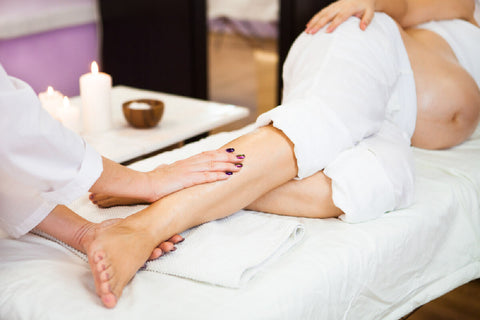
When it comes to massage, the type of oil used significantly impacts the experience and the benefits. Choosing the best body oil for massage from various possibilities can be a big and deeply personal decision. Carrier oils are rich in vitamins, nutrients, and essential fatty acids, and they help moisturize, nourish, soothe, heal, and regenerate the epidermis.

In this complete guide, Kanha Nature Oils explains the factors to consider when choosing a massage oil and the benefits of popular carrier and essential oils. Whether you’re giving your client a great massage or seeking help for a specific condition, this information will help you make an informed decision.


Carrier Oils For Massage Benefits

A thorough massage may help you recover from a long day of stress and tiredness. Carrier oils are rich in vitamins, nutrients, and essential fatty acids, which relax, nourish, soothe, and heal your skin. With so many possibilities, you can find the right oil for you. Please continue reading to learn about our top carrier oils for massage.


Top 6 Carrier Oils For Massage

Choosing the best massage oil for your requirements is a highly individualized process. You should know your skin type and if you prefer light or heavy oils. Let’s look at the top six carrier oils for massage and why you should use them.


1. Almond Oil For Massage

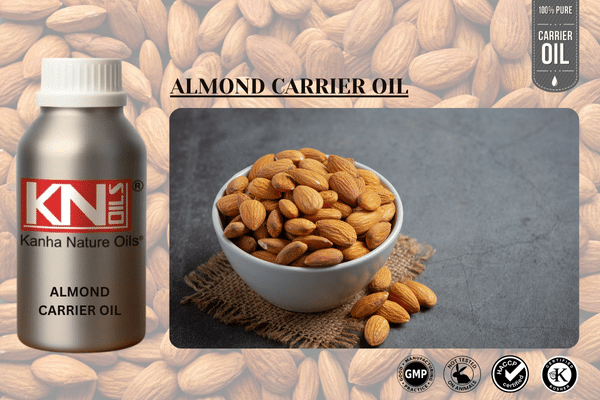
Almond Carrier Oil

Sweet almond oil is derived from the nuts of the Prunus amygdalus tree. Sweet Almond Oil is a superb lubricant with a long slip time, making it one of the best multifunctional carrier oils for massage.

It is pale golden and has absolutely no odor. It contains linoleic acid (a polyunsaturated omega-6 fatty acid), vitamins, minerals, and proteins, which assist in softening, soothing, nourishing, and rejuvenating the skin.


2. Jojoba Oil For Massage

Jojoba carrier Oil

Jojoba Oil is excellent for facial massage and can help balance oily skin. It is light in texture, profoundly penetrating, and high in essential fatty acids, which moisturize, soften, and condition the skin.

Jojoba (Simmondsia Chinensis) Oil is a liquid wax derived from a South American shrub. Its makeup closely mirrors the skin’s sebum, making it one of nature’s best emollients. It can also be combined with other base oils for a full-body massage.


3. Fractionated Coconut Oil For Massage

COCONUT FRACTIONATED CARRIER OIL

Coconut fractionated oil is airy and light. Coconut oil is suitable for all types of skin, including fragile skin. Its pleasant scent makes it a popular carrier oil. Coconut oil leaves the skin wonderfully smooth and shiny.

While it initially seems sticky, it absorbs rapidly and leaves a clean impression. It is incredibly nourishing and moisturizing without clogging your pores. Regularly rubbing coconut oil into the skin reduces inflammation and aids healing.


4. Apricot Oil For Massage

APRICOT CARRIER OIL

Apricot oil (Prunus armeniaca) and peach (Prunus persica) kernel oils have nearly comparable chemical components, including critical fatty acids and vitamins A, B, and E. They are lightweight, easily absorbed, and have a silky feel, making them ideal for facial massage.

It is especially suitable for dry, aged, or sensitive skin types. Unrefined Avocado Oil (Persea gratissima) has a rich, brilliant green color and a nutty scent. It’s a highly nutritious, viscous (thick/sticky) oil that penetrates deeply and contains plenty of vitamins A, C, D, and E and antioxidants.


5. Olive Oil For Massage

OLIVE CARRIER OIL

Olive oil absorbs rapidly and feels very pleasant. It is among the most nutrient-dense and lightweight oils available. It is recommended for head or body relaxation to help the skin glow and retain luster.

Olive oil is commonly used to formulate aromatic and therapeutic massage oils. This intense oil is high in unsaturated fatty acids, lecithin, and vitamins A, C, D, and E, making it suitable for undernourished, dry, dehydrated, and older skin, as well as skin diseases like eczema and psoriasis.


Massage Carrier Oil Recipe

This massage oil mixture combines the calming characteristics of carrier oils with pain-relieving essential oils to help with discomfort and relaxation.

Ingredients:

  • Apricot Oil – 10 Ml
  • Grapeseed Oil – 10 Ml
  • Virgin Olive Oil – 15 Ml
  • Sweet Almond Oil – 10 Ml
  • Virgin Coconut Oil – 15 Ml
  • Peppermint Essential Oil – 10 Drops

Directions:

Step 1: Based on your preferences and availability, choose one or more carrier oils from the list below. Each carrier oil has distinct qualities, yet all provide an ideal foundation for massage mixes.

Step 2: Fill a clean glass bottle or container with 2 ounces (about 60 ml) of your preferred carrier oil(s).

Step 3: Mix 5-10 drops of pain-relieving essential oil(s) into the carrier oil. You can use a single essential oil or combine two or more oils. For a refreshing and calming blend, mix five drops of peppermint oil with five drops of lavender oil.

Step 4: Secure the bottle’s lid snugly and gently shake the mixture to disperse the essential oils evenly throughout the carrier oil.

Step 5: Before applying the blend to more significant portions of your body, conduct a patch test on a small skin area to rule out any unpleasant reactions or sensitivities. If necessary, dilute the combination further, particularly if you have sensitive skin.

Step 6: When ready to use, place a little amount of the massage oil blend in your palm and rub your hands together to warm it. Massage the oil into the affected area or discomfort areas using gentle circular motions. Allow the oil to seep into the skin for the best results.

Step 7: Store the remaining massage oil combination fresh and compelling in an excellent dark spot away from direct sunlight and heat. When properly stored, the blend should last several months.


Frequently Asked Questions

Here are the answers to some common questions about massage carrier oils and pain relief. Whether you’re new to aromatherapy or looking for natural solutions, these frequently asked questions will help you learn how to make soothing blends and use essential oils efficiently to relieve pain and promote wellness.

What Is The Best Massage Carrier Oil?

Q1: What Is The Best Massage Carrier Oil?

Ans: Personal tastes and skin type frequently decide the best massage carrier oil. Popular choices include sweet almond oil, coconut oil, jojoba oil, and grapeseed oil. Each has unique qualities, such as absorption rate, viscosity, and nutritional properties, so choosing one that suits your needs and preferences is crucial.

Q2: What Is The Best Oil To Use For Massage?

Ans: The best massage oil is chosen based on personal preferences, skin sensitivity, and the intended result. Some popular oils are sweet almond oil for its nourishing benefits, coconut oil for its moisturizing effects, jojoba oil for its likeness to the skin’s natural oils, and grapeseed oil for its light texture and high vitamin E concentration.

Q3: How Much Carrier Oil Is Needed for a Full Body Massage?

Ans: The quantity of carrier oil required for a full-body massage varies according to body size, massage method, and preference for oil application. Generally, 1/4 to 1/2 cup of carrier oil is adequate for a full-body massage. Adjust the quantity according to your need and the length of the massage.

Q4: What Is A Good Carrier Oil For Massage?

Ans: Several carrier oils are ideal for massage because of their nourishing and skin-conditioning properties. Some popular options are sweet almond oil, coconut oil, jojoba oil, and grapeseed oil. These oils are lightweight, absorb well into the skin, and can be used with essential oils to enhance the massage experience and promote relaxation.


ESSENTIAL OILS IN AROMATHERAPY


Conclusion

The popular carrier oil for massage oils is returning to the cosmetics business, and how. They earn all the acclaim because they are the best carrier oils for massage work for your skin and toning your body, and they have therapeutic properties. So now you know what oil to use for massage treatments. Visit https://kanhanatureoils.com/ to find a variety of high-quality massage carrier oils.


You May Also Like:


Kanha Nature Oils

For more information contact: info@aromatherapyoil.in

Mobile Number: 9810805866

Friday, November 21, 2025

Rosemary Oil Recipe for Hair Growth: A Complete Guide to Hair


In the world of natural beauty and wellness, few remedies have gained as much attention as rosemary oil for hair growth. For centuries, rosemary has been revered not only as a flavorful herb in the kitchen but also as a powerful medicinal plant with incredible healing properties. In recent years, rosemary essential oil has become a trending hair care solution, particularly for those looking to naturally combat hair thinning, stimulate scalp circulation, and promote fuller, thicker locks.

If you’ve been struggling with hair loss, breakage, or slow growth, making your own rosemary oil hair growth recipe at home might be the affordable and effective solution you’ve been searching for. Unlike chemical-laden hair growth products that often come with side effects, rosemary oil offers a natural, safe, and time-tested approach to improving scalp health and revitalizing hair follicles.

In this blog post, Kanha Nature Oils will guide dive into the fascinating history and science behind rosemary oil, uncover its proven benefits for hair growth, and share step-by-step recipes to help you create your own rosemary oil treatments at home. You’ll also discover the best practices for using this powerful essential oil effectively. By the end of this article, you’ll be fully equipped to incorporate rosemary essential oil into your hair care routine for stronger, shinier, and healthier hair.


Introduction: Why Rosemary Oil for Hair Growth?

Natural hair care is on the rise, and rosemary oil sits at the top of the list for people searching for powerful plant-based solutions. From ancient Greek healers to Ayurvedic practitioners, rosemary has long been known to awaken sluggish hair follicles and improve scalp vitality.

Recent studies have shown that rosemary oil may be as effective as minoxidil (a popular hair-growth medication) for promoting hair regrowth—without the side effects like itching or dryness. This makes it a perfect option for those looking for a gentle yet effective remedy.

A few of the reasons rosemary oil has become so popular include:

  • It boosts blood circulation in the scalp

  • It has anti-inflammatory and antimicrobial properties

  • It strengthens hair roots and prevents breakage

  • It reduces dandruff and scalp irritation

  • It thickens thinning hair over time

But the real beauty of rosemary oil is its versatility—you can create your own customized recipes depending on your hair type and goals.


Best Carrier Oils to Use With Rosemary Oil

Since rosemary essential oil is highly concentrated, it must always be diluted with a suitable carrier oil. The right carrier oil not only makes rosemary oil safe for topical use but also boosts its hair-nourishing benefits, helping you create an effective recipe for stronger, healthier hair.


Here are the best carrier oils to pair with rosemary oil:

1. Coconut Oil
• Deeply nourishing and moisturizing
• Contains natural antifungal properties
• Helps strengthen weak or damaged hair strands

2. Jojoba Oil
• Closely mimics the scalp’s natural sebum
• Ideal for oily or combination scalps
• Helps balance oil production and soothe irritation

3. Castor Oil
• Thick, rich, and highly viscous
• Promotes faster and denser hair growth
• Strengthens hair roots and reduces breakage

4. Argan Oil
• Adds exceptional shine and softness
• Helps repair frizzy, rough, or chemically treated hair
• Lightweight and suitable for daily use

5. Olive Oil
• Naturally anti-inflammatory
• Deeply conditions dry, flaky scalps
• Enhances softness and elasticity

Choose a carrier oil based on your scalp type and hair concerns. For example, jojoba suits oily scalps, coconut oil works well for damaged hair, and castor oil is perfect for boosting growth.


Benefits of Using Rosemary Oil Regularly

When used consistently, rosemary oil offers a range of hair and scalp benefits:

✔ Boosts natural hair growth

Prevents miniaturization of hair follicles.

✔ Thickens thinning hair

Ideal for those experiencing pattern hair loss.

✔ Reduces hair fall

Strengthens roots and reduces breakage.

✔ Eliminates dandruff & itchiness

Cleanses the scalp environment.

✔ Enhances shine and smoothness

Adds natural gloss and reduces frizz.

✔ Prevents premature greying

Improves pigment health with antioxidants.

✔ Helps with alopecia areata

Stimulates regrowth in patchy hair loss.


Who Should Use Rosemary Oil?

Rosemary oil is suitable for most people, but it’s especially beneficial for:

  • Men and women with thinning hair

  • Individuals with dandruff or itchy scalp

  • Those experiencing slow hair growth

  • Anyone seeking a natural, chemical-free hair oil

  • People with mild to moderate hair fall

  • Those with early signs of pattern baldness


Safety Tips & Precautions

Although rosemary oil is natural, it’s highly concentrated and must be used carefully.

Do’s

✔ Always dilute with a carrier oil
✔ Patch test on skin before use
✔ Use only 5–10 drops at a time
✔ Consult a doctor if pregnant or breastfeeding

Don’ts

✘ Do not apply undiluted rosemary oil directly to scalp
✘ Avoid contact with eyes
✘ Don’t use if you have epilepsy or high blood pressure without medical advice

Side effects are rare, but may include:

  • Mild irritation

  • Redness

  • Sensitivity in people with allergies


How Long Does Rosemary Oil Take to Work?

Hair growth is gradual, so patience is key.

Typical Timeline:

  • 2–4 weeks: Reduced dandruff, improved shine

  • 6–8 weeks: Noticeable reduction in hair fall

  • 10–12 weeks: New baby hair growth begins

  • 3–6 months: Visible thickening and lengthening

Consistency is everything. Using rosemary oil regularly yields the best results.


Expert Tips to Boost Hair Growth Results

Enhance the effects of rosemary oil by combining it with healthy hair habits:

✔ Eat a nutrient-rich diet

Include protein, zinc, iron, omega-3s.

✔ Avoid harsh heat styling

Protect follicles from damage.

✔ Massage your scalp daily

Even without oil, it stimulates circulation.

✔ Sleep on a silk pillowcase

Reduces friction and breakage.

✔ Use gentle sulfate-free shampoos

Keeps the scalp healthy and balanced.

✔ Trim hair regularly

Prevents split ends from traveling up the hair shaft.


ESSENTIAL OILS IN AROMATHERAPY


Conclusion

If you’re looking for a natural, effective, and budget-friendly solution to hair thinning or slow growth, rosemary oil is a must-try remedy. With its rich history, proven benefits, and simple DIY recipes, rosemary oil provides everything your hair needs to grow stronger, thicker, and healthier.

From infused oils to refreshing rinses, incorporating rosemary oil into your hair care routine is easy, safe, and rewarding. The key is consistency and patience—nature works gently but surely.

So, instead of spending hundreds on chemical treatments, why not open your kitchen cabinet, grab some rosemary, and make your own rosemary oil for hair growth recipe today? Your future self—and your hair—will thank you!


You May Also Like:


Kanha Nature Oils

For more information contact: info@aromatherapyoil.in

Mobile Number: 9810805866

How to Read a GC-MS Report for Essential Oils: A Buyer’s Guide

  Last reviewed: September 2026 · By Piyush Gupta, Founder & CEO, Kanha Nature Oils · 27 years of industry experience · FAFAI Regional S...