
In this blog post, Kanha Nature Oils will explain what aromatherapy is, how it works, why it can be beneficial for sleep, what are the best essential oils to use at night, safe ways to use them, scientific evidence, and practical tips for incorporating aromatherapy into your nighttime routine.
What Is Aromatherapy?

Aromatherapy is a holistic healing practice that uses natural plant extracts — essential oils — to promote physical, emotional, and mental well-being. Essential oils are concentrated aromatic compounds extracted from flowers, leaves, bark, or roots of plants. When inhaled or applied topically (often diluted), these oils interact with the olfactory system — the sensory pathway connected to the brain’s limbic system, which governs emotions, memories, and mood.
Through this neurological connection, scents can influence physiological responses such as heart rate, blood pressure, stress hormones, and even neural activity linked to relaxation and sleep.
Why Nighttime Aromatherapy for Sleep?

Sleep isn’t merely a passive state — it’s a critical period during which the body undergoes restoration, memory consolidation, and immune support. Poor sleep quality has been linked with mood disorders, metabolic issues, chronic inflammation, and reduced cognitive function.
Many factors influence sleep, including:
Stress and anxiety
Restless mind or overthinking
Hormonal imbalances
Environmental disturbances (noise, light, temperature)
Poor bedtime routine
Aromatherapy doesn’t force sleep like a sedative; instead, it fosters an environment — physically and mentally — more conducive to winding down, letting go of tension, and signaling the brain that it’s time to rest. This makes it especially useful when integrated into a calming pre-sleep routine.
How Aromatherapy Works for Sleep
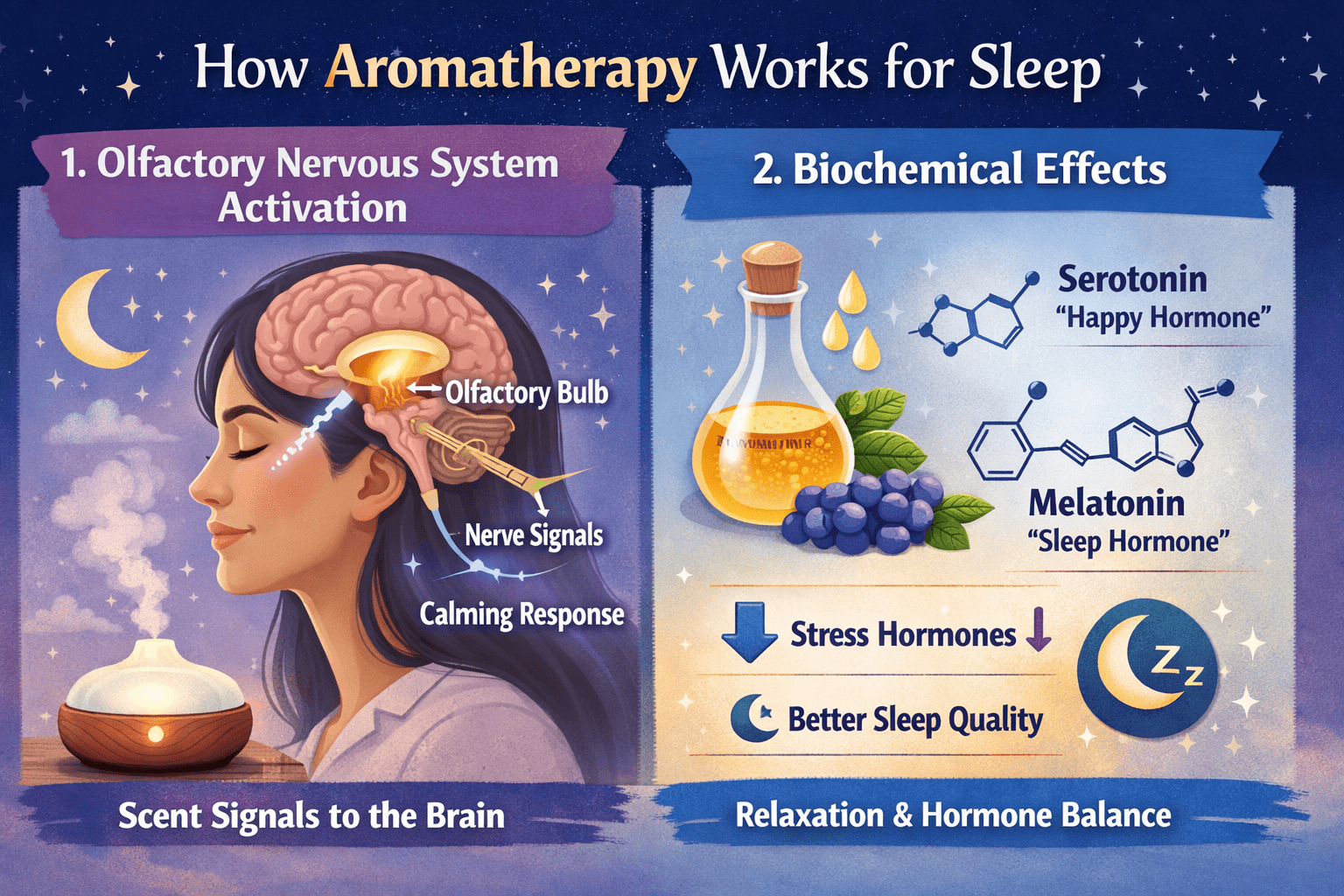
The science of scent and sleep primarily operates through two pathways:
1. Olfactory Nervous System Activation
When you inhale an essential oil, volatile molecules travel through the nasal passages and interact with olfactory receptors. These receptors send signals to the limbic system — the part of the brain associated with emotions and memory. The limbic system also connects with the hypothalamus, which plays a role in regulating the autonomic nervous system, including sleep.
A soothing scent can reduce sympathetic (“fight or flight”) activity and increase parasympathetic (“rest and digest”) activity — the latter promotes relaxation and calm.
2. Biochemical Effects
Some essential oils contain compounds that may have sedative, anxiolytic (anti-anxiety), or muscle-relaxing properties. For example:
Linalool — found in lavender — is linked to calming neurotransmitter activity.
Limonene — common in citrus oils, may help reduce stress.
Alpha-pinene — in cedarwood, can have grounding effects.
These compounds can aid the nervous system and assist in reducing physiological tension.
Top Essential Oils That Improve Sleep Quality

Here’s a closer look at some of the most effective essential oils to help enhance sleep:
1. Lavender Essential Oil

Benefits:
May reduce anxiety and stress
Promotes slower heart rate and lower blood pressure
Helps ease restlessness
Science Snapshot:
Several clinical studies suggest that lavender essential oil may improve sleep quality in people with mild insomnia or sleep disturbance. Participants exposed to lavender consistently reported better overall sleep and decreased restless sleep.
How to Use:
Diffuse 30 minutes before bedtime
Add a few drops to a warm bath
Mix with a carrier oil and apply to temples or wrists
2. Roman Chamomile Essential Oil
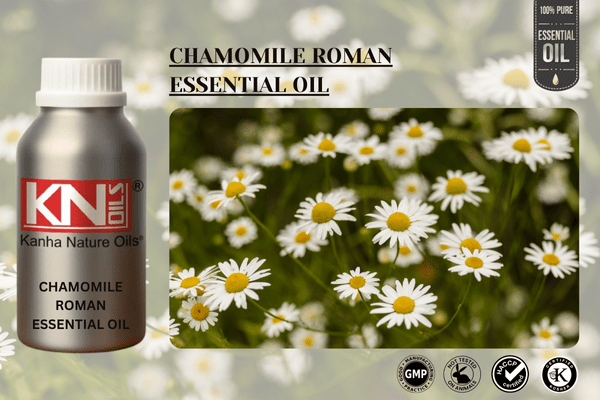
Benefits:
Calms nervous tension
Reduces irritability and agitation
Gentle enough for sensitive individuals
How to Use:
Use in a diffuser at low intensity
Blend with lavender for enhanced calming effects
3. Bergamot Essential Oil

Benefits:
Reduces feelings of anxiety
Can improve mood which supports better sleep onset
Helps regulate nervous system indicators like heart rate
How to Use:
Diffuse at bedtime (avoid bright diffusing lights)
Combine with vetiver or cedarwood for deeper relaxation
4. Cedarwood Essential Oil

Benefits:
Contains cedrol, which may support sedative effects
Supports a stable emotional state
How to Use:
Diffuse on its own or mix with lavender
Add to a pillow spray
5. Ylang Ylang Essential Oil
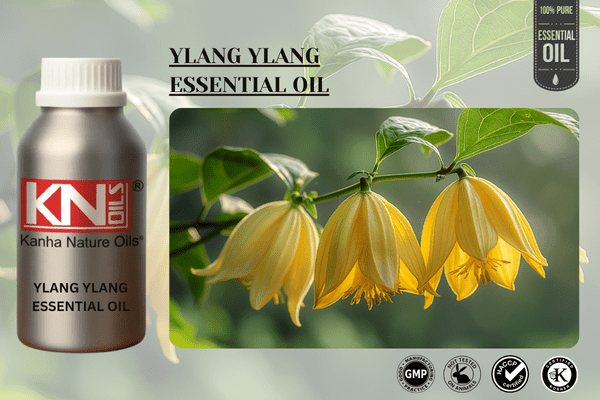
Benefits:
Reduces stress responses
Enhances positive emotional states
How to Use:
Use sparingly in a blend
Too much can be overwhelming; combine with lighter calming oils like lavender
6. Vetiver Essential Oil
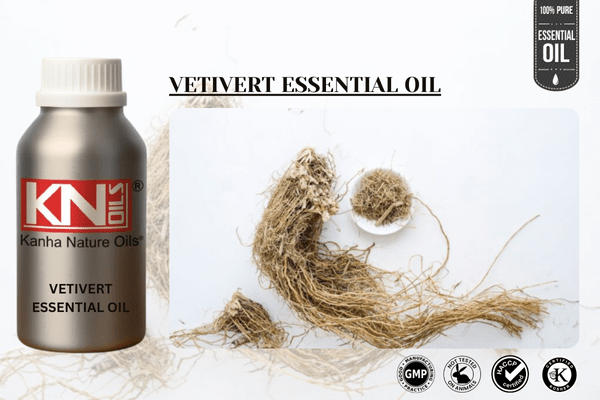
Benefits:
Supports emotional balance
Helps reduce mental chatter before bed
How to Use:
Combine with citrus or floral oils for a balanced bedtime blend
Best Use Methods for Nighttime Aromatherapy
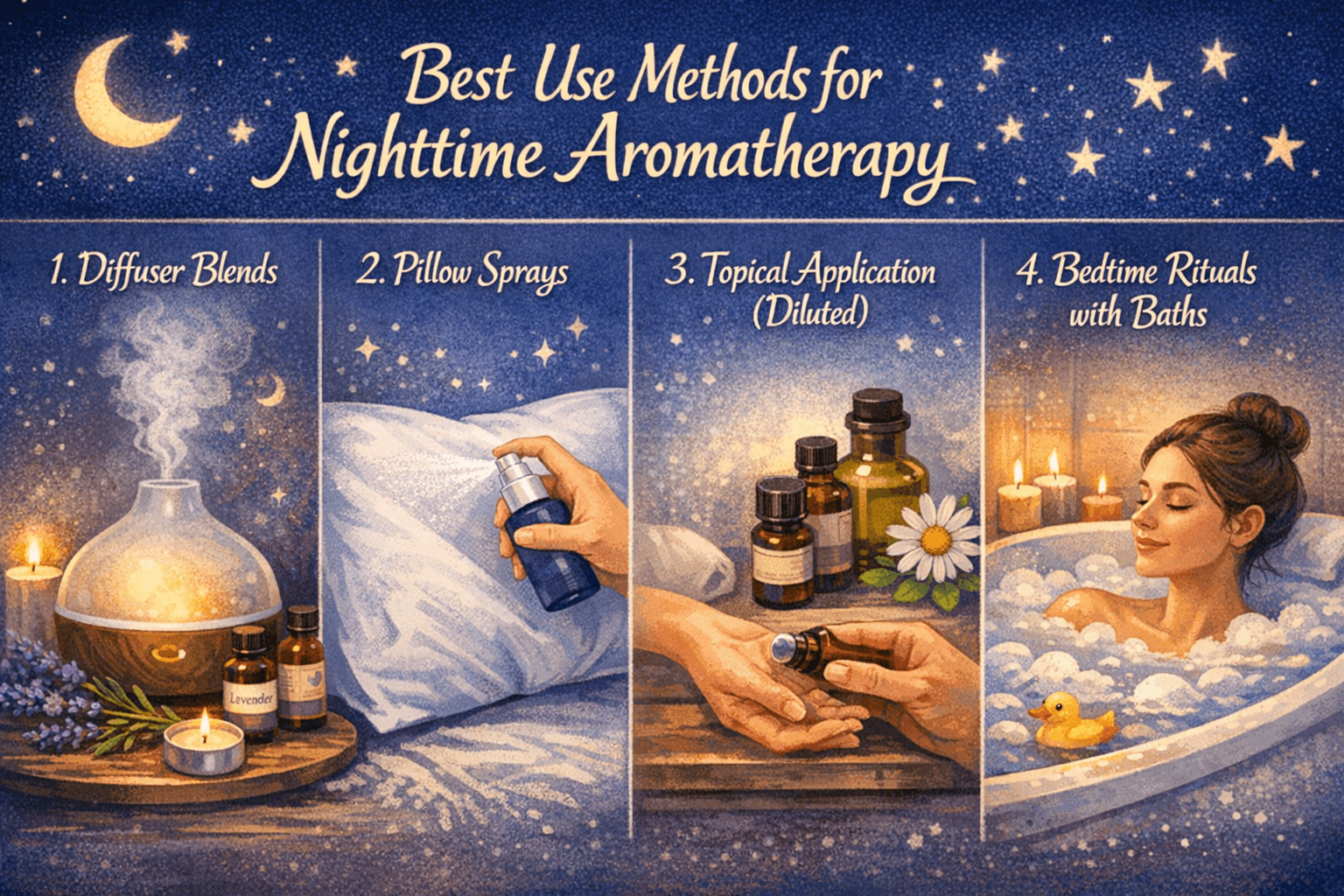
Finding the right application depends on your personal preferences and sensitivity. Here are the most popular ways to enjoy essential oils for sleep:
1. Diffuser Blends
A diffuser releases essential oil molecules into the air, creating a calming environment. For sleep:
Example Blend for Sleep (Diffuser):
4 drops lavender
2 drops cedarwood
2 drops bergamot
Run the diffuser for 30–60 minutes before bedtime.
2. Pillow Sprays
Lightly misting pillows or bedding can calm the senses without overpowering scent intensity.
DIY Pillow Spray Recipe:
1 oz distilled water
1 tsp witch hazel
8–10 drops sleep blend (lavender + chamomile + vetiver)
Shake before use and lightly spritz bedding.
3. Topical Application (Diluted)
Essential oils should always be diluted with a carrier oil (like fractionated coconut, sweet almond, or jojoba) to avoid skin irritation.
Sleep Massage Blend:
10 ml carrier oil
5 drops lavender
3 drops roman chamomile
2 drops cedarwood
Massage onto wrists, neck, or feet before bed.
4. Bedtime Rituals with Baths
Warm baths relax muscles and open pores, which enhances the absorption of essential oils.
Calming Bath Blend:
8–10 drops sleep blend
Mix with Epsom salts (1–2 cups)
Soak for 20 minutes before sleep
Safety Tips for Aromatherapy
Essential oils are powerful and should be used thoughtfully:
1. Always Dilute
Never apply undiluted essential oils to the skin — they can cause burns or irritation.
2. Patch Test First
Test a small area of skin to check for allergic reactions.
3. Avoid Eyes and Mucous Membranes
Essential oils are potent and can cause burning or irritation.
4. Use High-Quality Oils
Choose therapeutic-grade, pure essential oils free of synthetic additives.
5. Consult a Professional
If you are pregnant, nursing, on medication, or have health concerns, consult a healthcare provider before using essential oils.
Creating a Bedtime Aromatherapy Routine
A powerful part of aromatherapy is ritual. By associating scent with the act of preparing for sleep, the body learns to recognize a reliable cue that it’s time to wind down. Here’s a sample wind-down routine:
🕒 1 Hour Before Bed: Turn Down Lights
Dim lights to help your circadian rhythm prepare for sleep.
📝 Reflect
Journal or list tasks for tomorrow to clear mental clutter.
🛁 Warm Bath with Essential Oils
Use a sleep blend to relax muscles and calm the mind.
🌿 Diffuse Oils
Start your diffuser for 30 minutes in the bedroom.
📖 Gentle Reading or Meditation
Pair with calming music or silence.
💤 Topical Application
Massage sleep blend into pulse points as you get into bed.
ESSENTIAL OILS IN AROMATHERAPY
Conclusion
In an age where sleep is often compromised by stress, tiredness, and digital overload, nighttime aromatherapy offers a natural, gentle, and customizable way to support better rest. Essential oils like lavender, chamomile, cedarwood, and vetiver have calming properties that help ease the nervous system into a state more conducive to sleep.
While aromatherapy isn’t a replacement for good sleep habits or medical treatment when needed, it can be a powerful addition to a nighttime routine — one that signals safety, relaxation, and restoration.
You May Also Like:
Kanha Nature Oils
For more information contact: info@aromatherapyoil.in
Mobile Number: 9810805866


No comments:
Post a Comment