.png)
Congestion can happen at the worst possible times—during a busy workday, on a long-awaited vacation, or just when you’re trying to relax at home. Whether it’s caused by a cold, allergies, sinus problems, or dry indoor air, congestion is uncomfortable and can make breathing difficult. Many people take over-the-counter medications, but these can have side effects, some of which can make you feel drowsy or foggy. That’s why natural remedies—especially essential oils—have become so popular for reducing congestion and easing breathing. Throughout this blog post, Kanha Nature Oils will share the best essential oils for congestion relief, how they work, tips for safe use, and how to incorporate them into your daily wellness routine.
What Is Congestion and Why Does It Happen?

Before diving into essential oils, it’s helpful to understand what congestion is and why it occurs. Congestion refers to the blockage or buildup of mucus in the nasal passages, sinuses, or chest. Common causes include:
- Viral infections, such as the common cold or flu
- Allergies, triggered by pollen, dust, or pet dander
- Sinusitis, inflammation of the sinus cavities
- Environmental irritants, such as smoke or pollution
- Dry air, especially during winter months
When the tissues lining the nose and sinuses become inflamed, they produce excess mucus, leading to that familiar “stuffy” sensation. Congestion is not only uncomfortable — it can also disrupt sleep, impair focus, and make everyday activities feel harder.
How Essential Oils Can Help

Essential oils are concentrated plant extracts that capture the aromatic and therapeutic qualities of botanicals. Many have been used for centuries in traditional healing systems due to their anti-inflammatory, antimicrobial, and expectorant properties. For congestion relief, certain essential oils can help by:
Loosening mucus and aiding drainage
Reducing inflammation in nasal tissues
Clearing airways and supporting easier breathing
Providing a sense of cooling or soothing comfort
While essential oils aren’t a cure-all — especially for serious infections — they can provide meaningful support as part of a natural care routine.
Top Essential Oils for Congestion Relief

Below are the most effective essential oils for congestion, based on their properties and traditional uses. These oils have been widely recommended by aromatherapists and supported by user experience.
1. Eucalyptus Oil
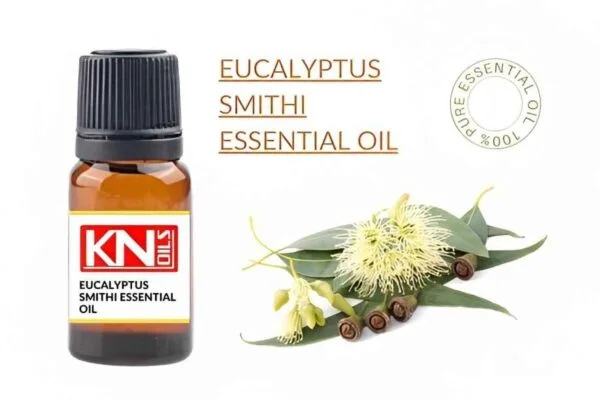
Eucalyptus oil is arguably the most well-known essential oil for respiratory issues. It contains eucalyptol (1,8-cineole) — a compound with expectorant and anti-inflammatory properties.
Benefits:
Helps break up mucus
Opens airways
Supports clear breathing
Has a cooling sensation
Eucalyptus is ideal for sinus congestion and bronchial discomfort, and is often included in vapor rubs or inhalation blends.
2. Peppermint Oil
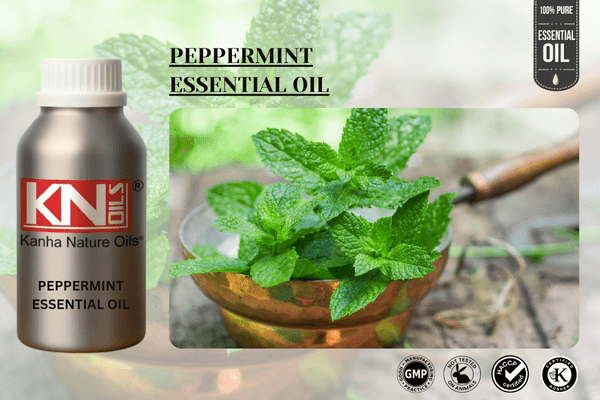
Peppermint oil contains menthol, which provides a refreshing, cooling feeling that can soothe irritated nasal passages. It also promotes a sensation of easier airflow.
Benefits:
Relieves stuffiness
Helps open nasal passages
Reduces headache associated with sinus pressure
Offers a refreshing aroma
Peppermint can be especially comforting for congested sinuses and headaches caused by pressure.
3. Tea Tree Oil
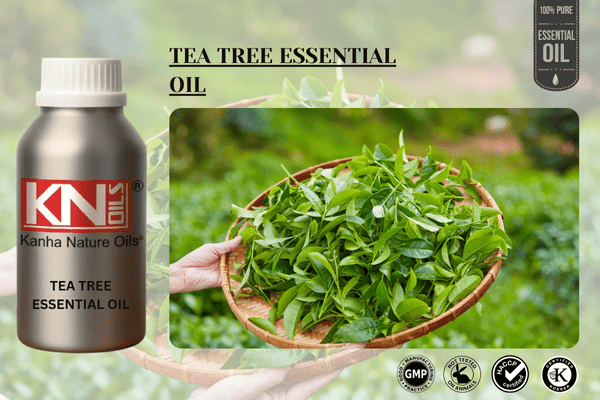
Tea tree oil is prized for its antimicrobial and anti-inflammatory properties. While it’s not as strongly expectorant as eucalyptus, it can help reduce sinus inflammation when used in a steam inhalation.
Benefits:
Helps combat microbial buildup
Reduces inflammation
Supports immune defense
Clears nasal passages
Tea tree is a great complement to other expectorant oils like eucalyptus or peppermint.
4. Lavender Oil
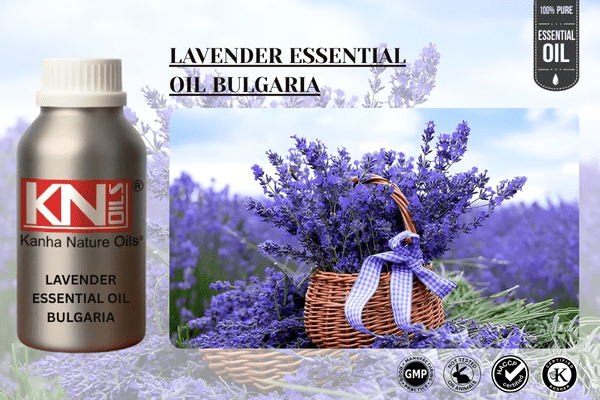
Lavender oil is not specifically an expectorant, but it is deeply soothing and can support relaxation, which is valuable when congestion disrupts sleep.
Benefits:
Promotes relaxation and better sleep
Reduces tension
Soothes irritated nasal tissues
Lavender pairs well with stronger oils to balance out sharper aromas and support restful breathing.
5. Rosemary Oil
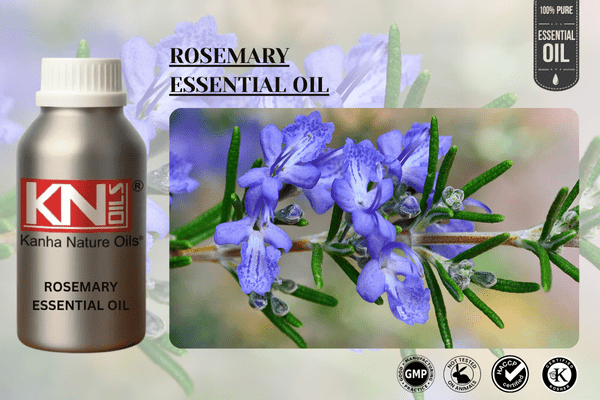
Rosemary essential oil contains compounds like cineole and camphor that can help support respiratory function.
Benefits:
Aids in clearing mucus
Supports easier breathing
Has an invigorating scent
Rosemary is often included in blends aimed at sinus and chest congestion.
Lemon and Other Citrus Oils
Citrus oils like lemon, orange, and bergamot offer uplifting scents and can help support the immune system. While not strongly expectorant, they help clear the mind and reduce feelings of fatigue that come with congestion.
Benefits:
Uplifts mood
Supports overall immune well-being
Complements stronger decongestant oils
Citrus oils are best used in combination with other essential oils.
Safe Ways to Use Essential Oils for Congestion
Essential oils are powerful and should be used safely to avoid irritation or adverse reactions. Below are common and effective methods:
1. Steam Inhalation
This is one of the most direct ways to use essential oils for congestion relief.
Steps:
Boil water and pour into a bowl.
Add 2–3 drops of essential oil (eucalyptus, peppermint, tea tree).
Cover your head with a towel and inhale the steam for 5–10 minutes.
The hot steam helps loosen mucus, while the essential oil vapors support clearer breathing.
2. Diffuser
A diffuser disperses essential oil molecules into the air, allowing you to breathe them in throughout the day or night.
Recommended Oils for Diffusion:
Eucalyptus
Peppermint
Lavender
Lemon
Use a few drops in your diffuser, especially at night to support restful sleep.
3. Chest and Back Rub
Mix a few drops of essential oil with a carrier oil (like coconut or jojoba) and apply to your chest or back.
DIY Chest Rub Recipe:
2 Tbsp carrier oil
3 drops eucalyptus
2 drops peppermint
2 drops lavender
Massage gently — the oils can help ease congestion and the calming effect promotes relaxation.
4. Warm Compress
A warm compress on the face and sinuses can relieve pressure and discomfort.
How to Use:
Soak a washcloth in warm water.
Add 1–2 drops of essential oil (eucalyptus or lavender).
Apply to the forehead and cheeks for 5–10 minutes.
This method is especially soothing for sinus pressure.
5. Aromatic Shower Treatment
Add a few drops of essential oil to a washcloth or shower floor (away from direct water) while showering. The steam will carry the aroma and help open nasal passages.
Choosing the Right Essential Oil Blend

Not every oil works the same for every person. Some people prefer cooling sensations, while others want soothing, calming aromas. Here are a few blend ideas you can tailor to your preferences:
✦ Decongestant Blend
3 drops eucalyptus
2 drops peppermint
1 drop rosemary
Ideal for steam inhalation or diffusion.
✦ Soothing Night Blend
3 drops lavender
2 drops lemon
1 drop eucalyptus
Great for diffuser use before bedtime.
✦ Sinus Pressure Blend
2 drops tea tree
2 drops peppermint
1 drop rosemary
Use with a warm compress or chest rub.
Safety Considerations and Precautions
Essential oils are concentrated natural substances — and like all powerful remedies, they must be used responsibly.
◉ Dilution Is Key
Never apply essential oils directly to the skin without a carrier oil. A typical safe ratio is 1–2% essential oil in a carrier for adults (that’s about 6–12 drops per ounce of carrier oil).
◉ Children and Essential Oils
Some essential oils are not safe for young children. Always consult a healthcare professional before using oils with kids.
◉ Allergies and Sensitivities
If you have sensitive skin or known allergies, do a patch test before broader application.
◉ Medical Conditions
People with asthma, respiratory conditions, or who are pregnant should consult a doctor before using essential oils.
◉ Quality Matters
Choose high-quality, pure essential oils from reputable brands. Low-grade oils can contain additives that irritate the skin or lungs.
Complementary Natural Remedies for Congestion
Essential oils work best when combined with other natural supportive measures:
✔ Stay Hydrated
Water helps thin mucus, making it easier to clear.
✔ Use a Humidifier
Moist air prevents nasal passages from drying out and aids mucus movement.
✔ Warm Fluids
Teas, broths, and warm water with lemon can soothe a sore throat and help break up congestion.
✔ Saline Rinse
A saline nasal rinse (using a neti pot or saline spray) can directly flush away mucus.
✔ Rest
Sleep and rest support your immune system, helping your body recover more quickly.
Myth vs. Fact: What Essential Oils Can and Cannot Do
Essential oils are powerful tools — but they aren’t magic.
✓ Truth:
Essential oils can support clearer breathing
They can provide symptomatic relief
They help ease discomfort naturally
They are effective in aromatic and topical use when diluted
❌ Myth:
Essential oils do not “cure” the common cold or underlying infections
They cannot replace prescribed medical treatment for serious conditions
They are not safe to ingest without supervision from a qualified professional
ESSENTIAL OILS IN AROMATHERAPY
Conclusion
Congestion — whether from a cold, allergies, or environmental factors — can drain energy and disrupt daily life. While pharmaceutical options are available, essential oils offer a gentle, natural alternative for many people seeking relief without drowsiness or heavy side effects.
By choosing the right essential oils — such as eucalyptus, peppermint, tea tree, lavender, and citrus — and using them safely in steam inhalations, diffusers, or topical blends, you can support clearer breathing and greater comfort. Combining oils with other wellness habits like hydration, rest, and humidified air amplifies their benefits.
Remember: essential oils work best as part of a holistic, informed approach to health. Always consult professionals when in doubt, especially for children, pregnancy, or chronic health conditions.
You May Also Like:
- Essential Oils For Baby Sleep – For Children’s Sleep
- The Benefits of Incorporating Essential Oils into Your Daily Routine
- 7 amazing benefits of star anise oil, including benefits for skin and hair.
Kanha Nature Oils
For more information, contact info@aromatherapyoil.in.
Mobile Number: 9810805866


No comments:
Post a Comment