
Aromatherapy has been practiced for thousands of years as a natural way to support physical, emotional, and mental well-being. Using plant-based extracts known as essential oils, aromatherapy harnesses the therapeutic power of nature to promote relaxation, reduce stress, and improve overall health. These concentrated oils are extracted from flowers, leaves, bark, roots, or peels of plants and are widely used in massage therapy, diffusers, skincare, and natural remedies.
Essential oils contain powerful aromatic compounds that can influence the body through inhalation or topical application. When inhaled, the scent molecules travel through the olfactory system to the brain, affecting mood, emotions, and even certain physiological functions. When applied to the skin (usually diluted with a carrier oil), essential oils can support skin health, muscle relaxation, and circulation.
Among the hundreds of essential oils available, some are particularly popular and widely used in aromatherapy due to their proven therapeutic properties. In this article, Kanha Nature Oils will introduce you to the seven most commonly used essential oils in aromatherapy and their benefits.
1. Lavender Essential Oil
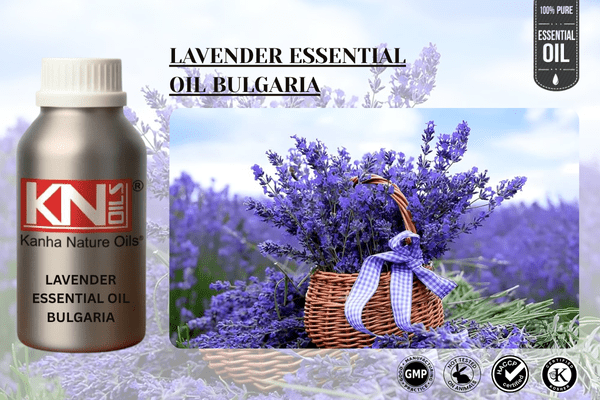
Lavender essential oil is one of the most well-known and widely used oils in aromatherapy. Extracted from the flowers of the lavender plant, it is famous for its calming, relaxing fragrance and versatile therapeutic benefits.
Lavender oil is commonly used to reduce stress and anxiety. Its soothing scent helps calm the nervous system, making it an excellent choice for relaxation and emotional balance. Many people use lavender oil in diffusers before bedtime because it may help improve sleep quality and reduce insomnia.
Another major benefit of lavender oil is its ability to support skin health. It has natural anti-inflammatory and antimicrobial properties that may help soothe minor skin irritations, burns, insect bites, and acne. It is also often used in massage oils to help relax tense muscles.
Benefits of Lavender Essential Oil:
- 1 Promotes relaxation and stress relief
- 2. Helps improve sleep quality
- 3. Supports skin healing and reduces irritation
- 4. May relieve headaches and tension
- 5. Supports emotional balance
Because of its gentle nature, lavender oil is often considered one of the safest essential oils and is frequently recommended for beginners in aromatherapy.
2. Peppermint Essential Oil
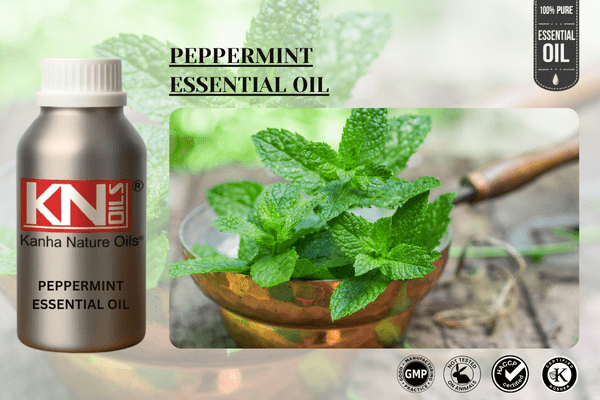
Peppermint essential oil is extracted from the leaves of the peppermint plant and is known for its fresh, minty aroma. It is widely used in aromatherapy for its energizing and cooling effects.
One of the most popular uses of peppermint oil is to boost mental clarity and concentration. The refreshing scent can stimulate the mind and help reduce feelings of fatigue or mental exhaustion. Many people use peppermint oil in diffusers while working or studying to improve focus.
Peppermint oil is also commonly used for relieving headaches and migraines. When diluted and applied to the temples or neck, it may provide a cooling sensation that helps reduce pain and tension.
Another benefit of peppermint oil is its potential to support digestive health. In aromatherapy massage, peppermint oil may help relieve bloating, nausea, and stomach discomfort.
Benefits of Peppermint Essential Oil:
- 1. Enhances mental alertness and concentration
- 2. Helps relieve headaches and migraines
- 3. Provides a cooling sensation for sore muscles
- 4. May support digestion and reduce nausea
- 5. Refreshes and energizes the body and mind
Peppermint oil is powerful and should always be diluted before topical use.
3. Tea Tree Essential Oil
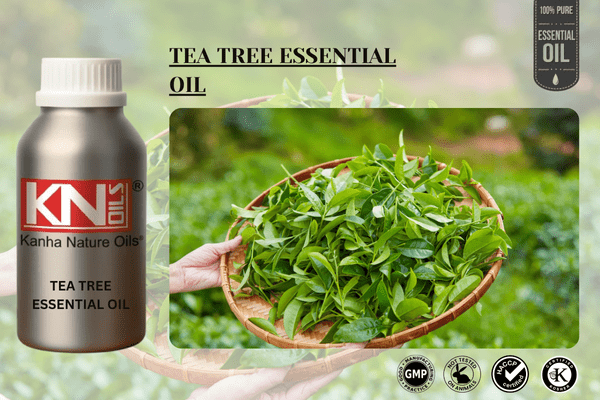
Tea tree essential oil, also known as melaleuca oil, is extracted from the leaves of the tea tree plant native to Australia. It is widely recognized for its strong antimicrobial and antifungal properties.
In aromatherapy and natural skincare, tea tree oil is often used to treat acne, fungal infections, and skin irritations. It helps fight bacteria that cause breakouts and may reduce inflammation associated with acne.
Tea tree oil is also beneficial for scalp health. Many natural shampoos and hair treatments include tea tree oil because it can help reduce dandruff and maintain a healthy scalp environment.
In aromatherapy diffusers, tea tree oil may help purify the air and support respiratory health by reducing airborne microbes.
Benefits of Tea Tree Essential Oil:
- 1. Natural antibacterial and antifungal properties
- 2. Helps treat acne and skin infections
- 3. Supports scalp health and reduces dandruff
- 4. May help purify indoor air
- 5. Supports immune system health
Due to its potency, tea tree oil should always be diluted before applying to the skin.
4. Eucalyptus Essential Oil
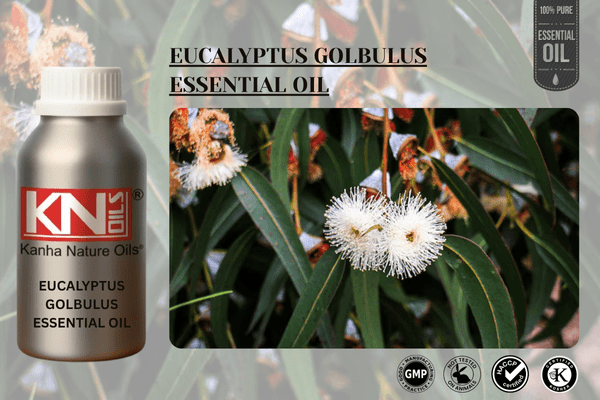
Eucalyptus essential oil is extracted from the leaves of eucalyptus trees and is widely known for its refreshing and medicinal aroma. It is one of the most commonly used essential oils for respiratory support.
When inhaled, eucalyptus oil may help open the airways and make breathing easier. It is often used during colds, sinus congestion, or seasonal allergies. Many people add a few drops of eucalyptus oil to steam inhalation or diffusers to help clear the respiratory tract.
Eucalyptus oil also has anti-inflammatory and analgesic properties, making it beneficial for relieving muscle pain and joint discomfort when used in massage blends.
Another advantage of eucalyptus oil is its potential ability to repel insects naturally.
Benefits of Eucalyptus Essential Oil:
- 1. Helps relieve congestion and respiratory discomfort
- 2. Supports easier breathing
- 3. Reduces muscle and joint pain
- 4. Acts as a natural insect repellent
- 5. Provides a refreshing and energizing aroma
Because eucalyptus oil is quite strong, it should be used carefully and diluted for topical applications.
5. Lemon Essential Oil
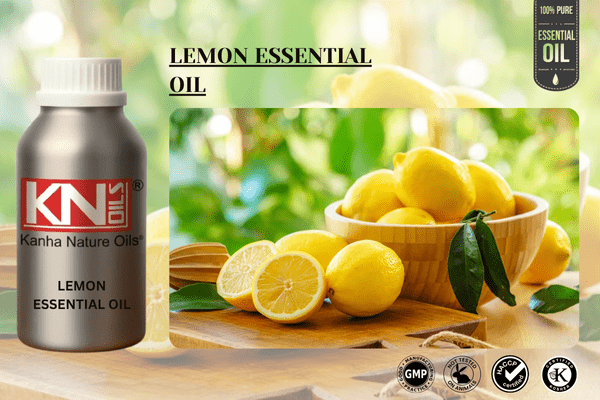
Lemon essential oil is extracted from the peel of fresh lemons and is known for its bright, uplifting citrus fragrance. It is commonly used in aromatherapy for mood enhancement and natural cleaning.
One of the main benefits of lemon oil is its ability to boost mood and reduce stress. Its refreshing scent can create a positive atmosphere and help reduce feelings of fatigue or mental fog.
Lemon oil is also widely used for its antibacterial and detoxifying properties. In aromatherapy, it may help purify the air and create a clean, refreshing environment.
Additionally, lemon essential oil is often included in skincare products due to its ability to support clearer, brighter-looking skin.
Benefits of Lemon Essential Oil:
- 1. Boosts mood and promotes positivity
- 2. Helps purify and refresh the air
- 3. Supports healthy skin appearance
- 4. May improve mental clarity and focus
- 5. Provides natural antibacterial benefits
However, lemon oil can be photosensitive, meaning it may increase skin sensitivity to sunlight, so it should be used carefully on exposed skin.
6. Chamomile Essential Oil
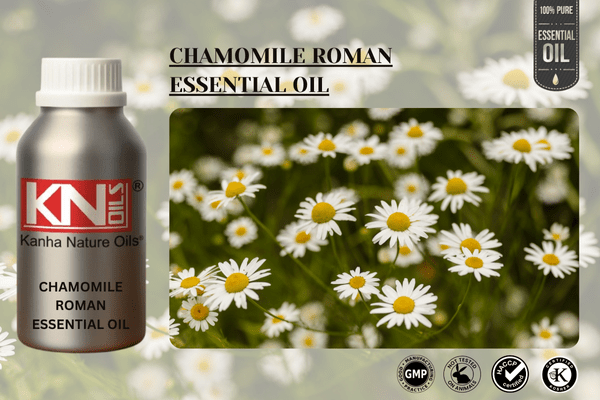
Chamomile essential oil is derived from the chamomile flower and is widely known for its calming and soothing properties. It is commonly used in aromatherapy to promote relaxation and emotional balance.
Chamomile oil is particularly beneficial for people who struggle with stress, anxiety, or sleep disturbances. Its gentle aroma helps calm the mind and body, making it a popular choice for nighttime diffusers.
Another major benefit of chamomile oil is its ability to support sensitive or irritated skin. It has anti-inflammatory properties that may help soothe redness, eczema, and skin irritation.
Chamomile oil is also commonly used in massage oils to help relax muscles and reduce tension.
Benefits of Chamomile Essential Oil:
- 1. romotes relaxation and reduces stress
- 2. Helps improve sleep quality
- 3. Supports sensitive and irritated skin
- 4. Reduces inflammation and redness
- 5. Helps calm the nervous system
Due to its gentle nature, chamomile oil is often used in skincare and wellness blends designed for relaxation.
7. Frankincense Essential Oil
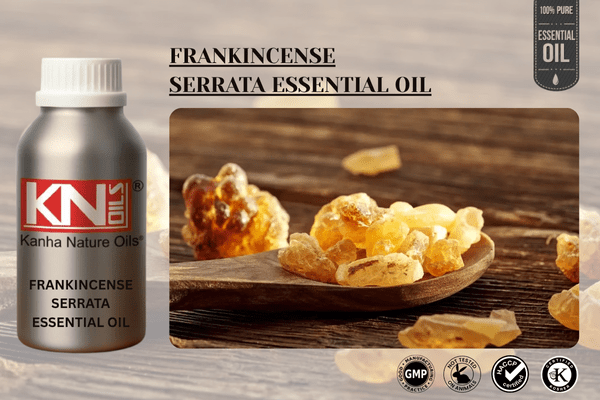
Frankincense essential oil is one of the oldest and most valued oils in aromatherapy. Extracted from the resin of the Boswellia tree, it has been used for centuries in spiritual practices, traditional medicine, and natural wellness.
Frankincense oil is widely known for its grounding and meditative properties. Its warm, woody aroma helps promote relaxation, emotional balance, and mindfulness. Many people use it during meditation or yoga practices.
In skincare, frankincense oil is highly valued for its ability to support healthy skin aging. It may help improve skin tone, reduce the appearance of fine lines, and promote a youthful complexion.
Frankincense oil also has potential anti-inflammatory and immune-supporting properties, making it useful in wellness blends.
Benefits of Frankincense Essential Oil:
- 1. Promotes relaxation and emotional balance
- 2. Supports meditation and mindfulness
- 3. Helps improve skin tone and reduce signs of aging
- 4. May support immune health
- 5. Provides anti-inflammatory benefits
Its rich aroma blends well with many other essential oils, including lavender, citrus oils, and sandalwood.
How to Use Essential Oils in Aromatherapy
There are several ways to use essential oils safely and effectively in aromatherapy.
1. Diffusers
Essential oil diffusers disperse aromatic molecules into the air, allowing you to inhale the therapeutic scent.
2. Aromatherapy Massage
Essential oils can be diluted with carrier oils such as coconut oil, almond oil, or jojoba oil and used for relaxing massage.
3. Steam Inhalation
Adding a few drops of essential oil to hot water and inhaling the steam can help support respiratory health.
4. Bath Therapy
A few drops of essential oil mixed with bath salts or carrier oil can enhance relaxation during a warm bath.
Safety Tips for Using Essential Oils
While essential oils offer many benefits, they should be used carefully to ensure safety.
- 1. Always dilute essential oils with a carrier oil before applying to the skin.
- 2. Perform a patch test before topical use.
- 3. Avoid contact with eyes and sensitive areas.
- 4. Keep essential oils away from children and pets.
- 5. Consult a healthcare professional if you are pregnant or have medical conditions.
ESSENTIAL OILS IN AROMATHERAPY
Conclusion
Essential oils have become an important part of modern wellness routines, offering natural solutions for stress relief, improved sleep, skin care, and respiratory support. Aromatherapy allows people to harness the therapeutic power of plants in a simple and enjoyable way.
The seven essential oils discussed in this article — lavender, peppermint, tea tree, eucalyptus, lemon, chamomile, and frankincense — are among the most widely used in aromatherapy. Each oil provides unique benefits, from calming the mind and improving sleep to supporting skin health and boosting mental clarity.
Whether used in a diffuser, massage oil, or relaxing bath, essential oils can play a valuable role in promoting a balanced and healthy lifestyle. By understanding the properties and benefits of these natural oils, individuals can create personalized aromatherapy experiences that support both physical and emotional well-being.
You May Also Like:
- What Is An Oil Diffuser And How To Use It? A Complete Guide
- Diffuser Oils for Mood Boosting: The Ultimate Aromatherapy Guide
- 9 Best Aroma Diffuser Oils for the Home for Stress Relief and Better Sleep
Kanha Nature Oils
For more information, contact info@aromatherapyoil.in.
Mobile Number: 9810805866


No comments:
Post a Comment